Swapping blizzards for bay breezes sounds great, but how do you actually make a winter stay in Punta Gorda work smoothly? If you’re picturing sunny mornings, easy travel, and a low‑maintenance home base, you’re in the right place. In this guide, you’ll learn where seasonal residents like you tend to buy, how to plan lock‑and‑leave living, the best ways to get here, and what to know about healthcare, insurance, and local rules. Let’s dive in.
Why Punta Gorda in winter
Mild winter weather is a big draw. Typical December–February highs sit in the mid‑70s and nights dip into the low‑to‑mid 50s, which makes outdoor time easy and comfortable per long‑term climate normals. The city also skews older, so you’ll find services and activities that fit seasonal and retiree lifestyles according to U.S. Census QuickFacts.
Waterfront living shapes the local vibe. You can stroll the Harborwalk, relax at Laishley and Gilchrist Parks, and shop or dine at Fishermen’s Village. The downtown calendar fills up in season with markets, art fairs, and community events. For ideas, browse the Chamber’s list of things to do and places to go.
Best housing options for snowbirds
Waterfront canal homes
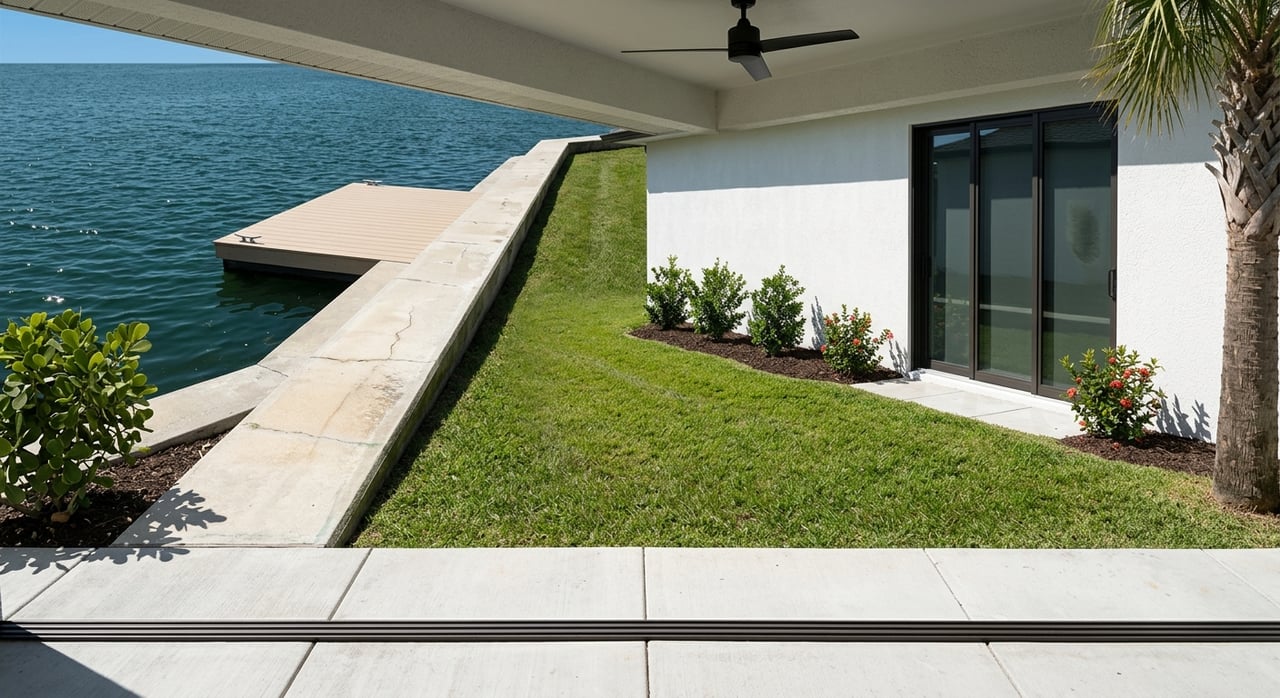
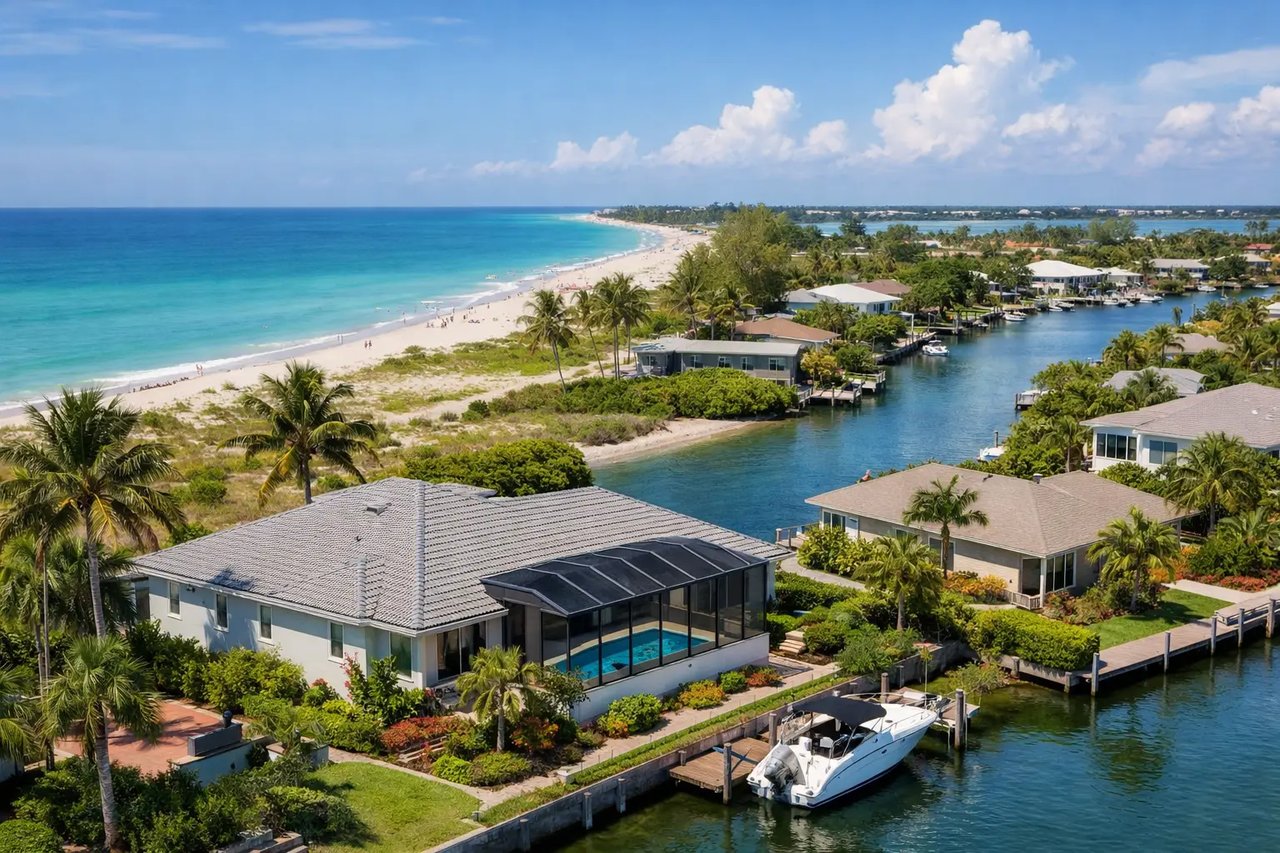
If boating and fishing top your list, canal and harbor‑access homes are a standout option. You’ll get quick water access and sunsets that stop you in your tracks. Keep in mind that waterfront comes with added upkeep and insurance considerations, including seawalls and docks. Before you buy, plan for flood‑zone checks and sample insurance quotes.
Condos and 55+ communities
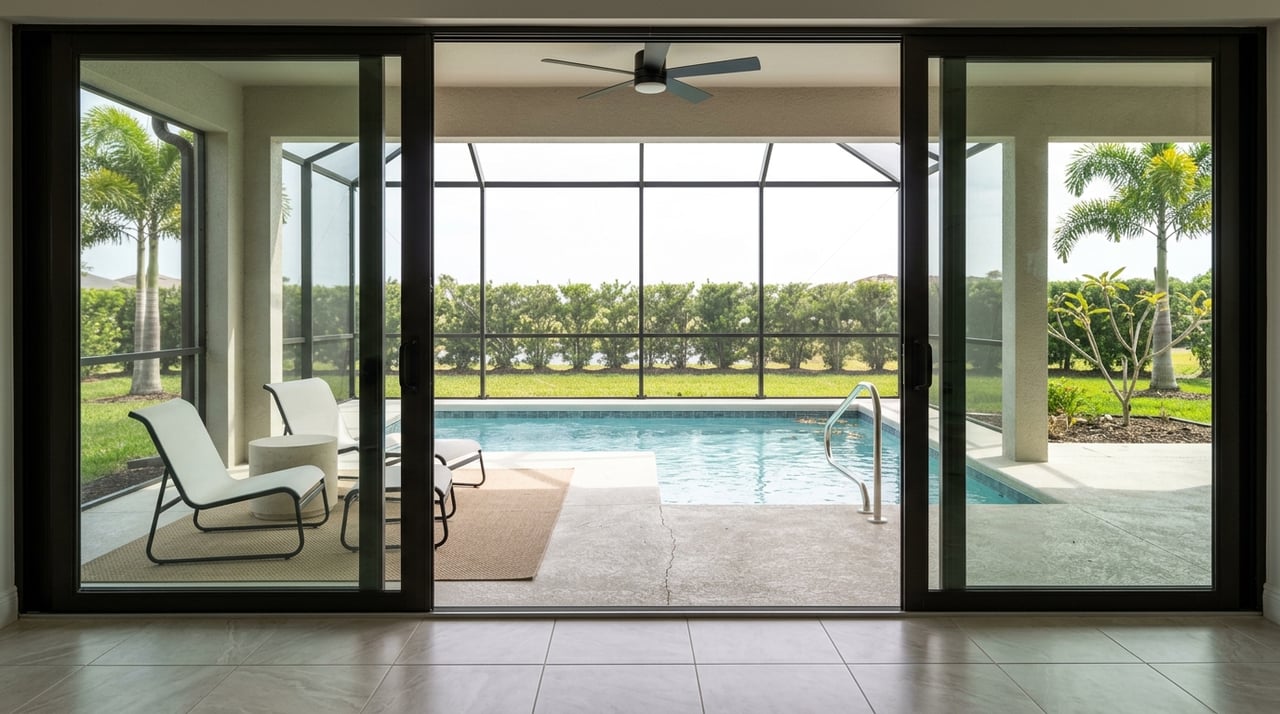
Condos and many 55+ communities offer a lock‑and‑leave setup with exterior maintenance, landscaping, and shared amenities like pools and fitness rooms. This model is popular with retirees seeking low‑maintenance living and built‑in social activities as highlighted in Florida retirement roundups.
Golf, manufactured, and RV options
You’ll also find golf‑oriented neighborhoods and communities that welcome manufactured homes or seasonal RV stays. Each community sets its own rules for guests, rentals, and amenities. Review community documents and talk with management early so the rules match your lifestyle.
Lock‑and‑leave made easy
HOAs can simplify seasonal living. Many cover exterior maintenance, landscaping, and gate security. Balance those benefits with HOA dues and any usage or rental limits. Always request CC&Rs and recent meeting minutes before you commit.
For peace of mind, consider a local home‑watch or property‑management service. Many offer regular check‑ins, pool and irrigation oversight, and post‑storm inspections. You can find providers through local listings and community resources like Everything Punta Gorda’s event and community pages.
A quick security and maintenance checklist:
- Lock and test all windows, sliders, and doors; set smart cameras and alarms.
- Set HVAC to a safe humidity/temperature range and replace filters.
- Put irrigation and exterior lighting on timers; confirm pool pump scheduling.
- Store or secure outdoor furniture; label and test storm shutters or panels.
- Name a local emergency contact and share keys and alarm codes securely.
Insurance, flood zones, and wind mitigation
Flood risk varies by parcel. Before you write an offer, check the property’s Flood Insurance Rate Map (FIRM) panel and request any elevation certificate. The City provides helpful guidance on reading FIRM panels and local requirements in its floodplain management resource.
Florida also encourages wind‑mitigation upgrades that can reduce premiums. Ask for a wind‑mitigation inspection and quotes early in your due‑diligence period. For forms and credits, review the state’s wind‑mitigation resources.
Weather and hurricane readiness
The Atlantic hurricane season runs June 1 to November 30, so you need a plan even if you’re away part of that time. The National Hurricane Center offers clear preparedness guidance and timelines in its hurricane outreach manual.
Charlotte County’s disaster planning guide outlines local evacuation zones, shelters, and storm‑prep checklists. Bookmark and review the county’s disaster planning guide before each season. Keep a written plan for where you’ll go, how you’ll secure your home, and how your local contact will help if you are out of town.
Getting here and getting around
Punta Gorda is easy to reach by air and road. US‑41 and nearby I‑75 make north‑south driving simple, and local rideshare and car rentals are available during peak season with some advance booking.
A quick airport comparison:
| Airport | Best for | What to know |
|---|---|---|
| Punta Gorda Airport (PGD) | Convenience and low crowds | Primary leisure routes and seasonal service; check current airlines and routes on the PGD airlines page. |
| Southwest Florida International (RSW) | Broader flight choices | Larger network and carriers; typically under an hour’s drive from Punta Gorda in normal traffic. |
Healthcare access and planning
Local hospital services have been evolving. After storm damage and system changes, inpatient and emergency care have consolidated around Port Charlotte and nearby facilities. In March 2025, AdventHealth assumed ownership of the former ShorePoint Port Charlotte campus, with local care continuing to align around that hub per industry coverage.
Practical tips for seasonal residents:
- Secure a local primary‑care appointment early each season and confirm in‑network coverage.
- Keep at least a 30‑ to 60‑day medication cushion and identify a nearby pharmacy.
- Note drive times to the nearest emergency department and urgent care. Regional healthcare resources and locations are summarized on this community data page.
Taxes, residency, and homestead basics
Florida’s homestead exemption applies to your primary, permanent residence and must meet documentation and filing rules. Seasonal residents who keep their primary domicile elsewhere generally do not qualify. Review eligibility, required proofs, and filing deadlines (typically March 1) with the county. Start with the Charlotte County Property Appraiser’s homestead exemption guidance.
Seasonal arrival checklist
Use this shortlist when you arrive each fall or early winter:
- Turn on and test water lines, water heater, and all plumbing fixtures.
- Run HVAC, replace filters, and check dehumidifiers if installed.
- Test exterior lighting, cameras, alarms, and smoke/CO detectors.
- Inspect shutters/panels and roofline; confirm your generator is ready if you have one.
- Restock your emergency kit for at least 72 hours of food, water, meds, and batteries. The county’s disaster planning guide is a helpful reference.
Quick buyer prep checklist
Before you make an offer, line up these essentials:
- Verify the flood zone and request any elevation certificate; review the City’s floodplain and FIRM guidance.
- Get sample insurance quotes for home, flood, and wind; book a wind‑mitigation inspection using the state’s wind‑mitigation resources.
- If waterfront, ask about seawall and dock condition and any recent surveys.
- Identify a trusted home‑watch or property manager and schedule lawn/pool service. Local community resources like Everything Punta Gorda can help you source vendors.
- Confirm local healthcare options and drive times; see the regional healthcare data resource.
Ready to explore Punta Gorda?
If you want a low‑stress winter base with great water access, friendly neighborhoods, and practical lock‑and‑leave living, Punta Gorda delivers. To evaluate communities, compare HOA rules, or line up an insurance and inspection game plan, connect with a local expert who knows seasonal ownership inside and out. Reach out to Emily Rivera Jackson to start your Punta Gorda winter home search today.
FAQs
What is winter weather like in Punta Gorda?
- Expect mild days in the mid‑70s and cooler nights in the low‑to‑mid 50s from December to February, based on official climate normals.
Which property types suit seasonal residents in Punta Gorda?
- Many snowbirds choose condos or 55+ communities for low maintenance, while boaters often prefer canal‑access homes. Match the choice to your lifestyle and budget.
How do flood and wind insurance work for Punta Gorda homes?
- Check your property’s FIRM panel and ask for an elevation certificate; then seek quotes for flood and homeowners insurance. Florida’s wind‑mitigation program may reduce premiums.
When is hurricane season and how should I plan?
- The Atlantic season runs June 1 to November 30. Build a plan, know your evacuation zone, and follow the county’s disaster planning guide each year.
What should I know about current hospital access near Punta Gorda?
- Many urgent and inpatient services route to nearby Port Charlotte facilities; AdventHealth now operates the former ShorePoint Port Charlotte campus, per industry reporting.
Do seasonal owners qualify for Florida’s homestead exemption?
- Generally no. The exemption is for a primary, permanent residence. Review eligibility and deadlines with the county’s homestead guidance.