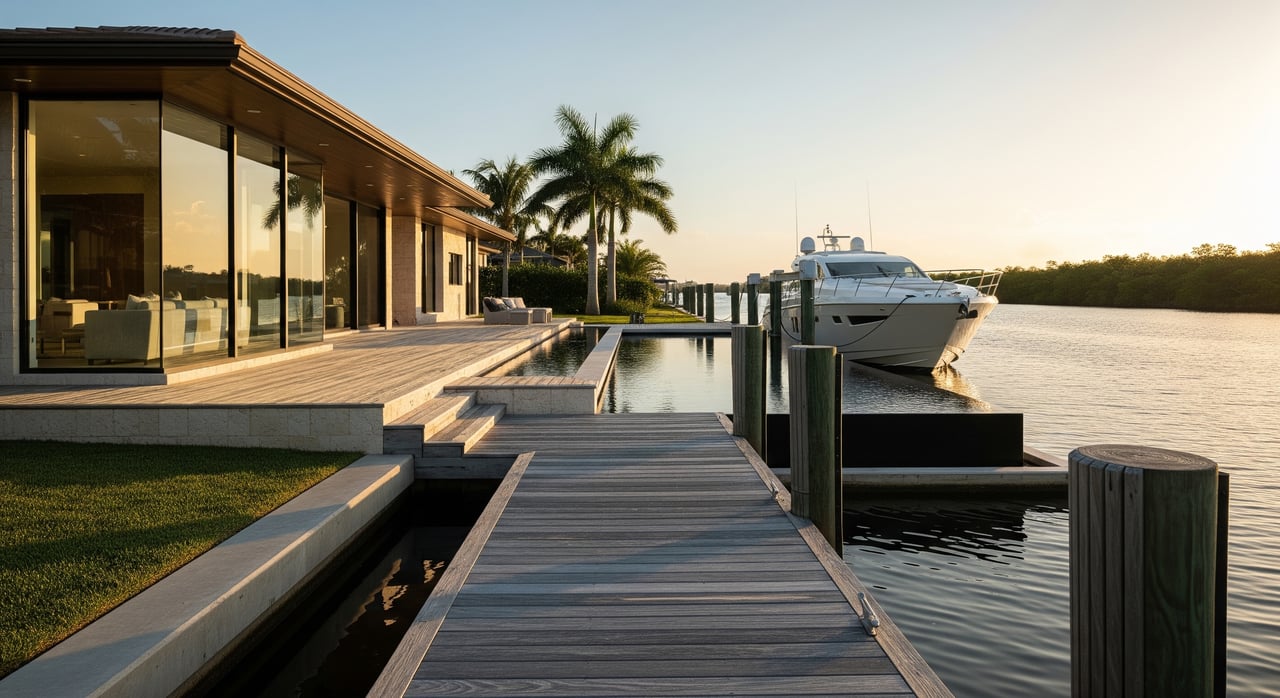
Imagine stepping out with your morning coffee and watching the light move across a calm canal. In Punta Gorda, that is not a vacation fantasy. It can be your everyday routine. If you are considering a waterfront home here, you want the real story about the lifestyle, the rules, and the costs so you can decide with confidence. This guide walks you through what life on the water feels like, plus what to know about boating, maintenance, insurance, and permits. Let’s dive in.
Why Punta Gorda waterfront stands out
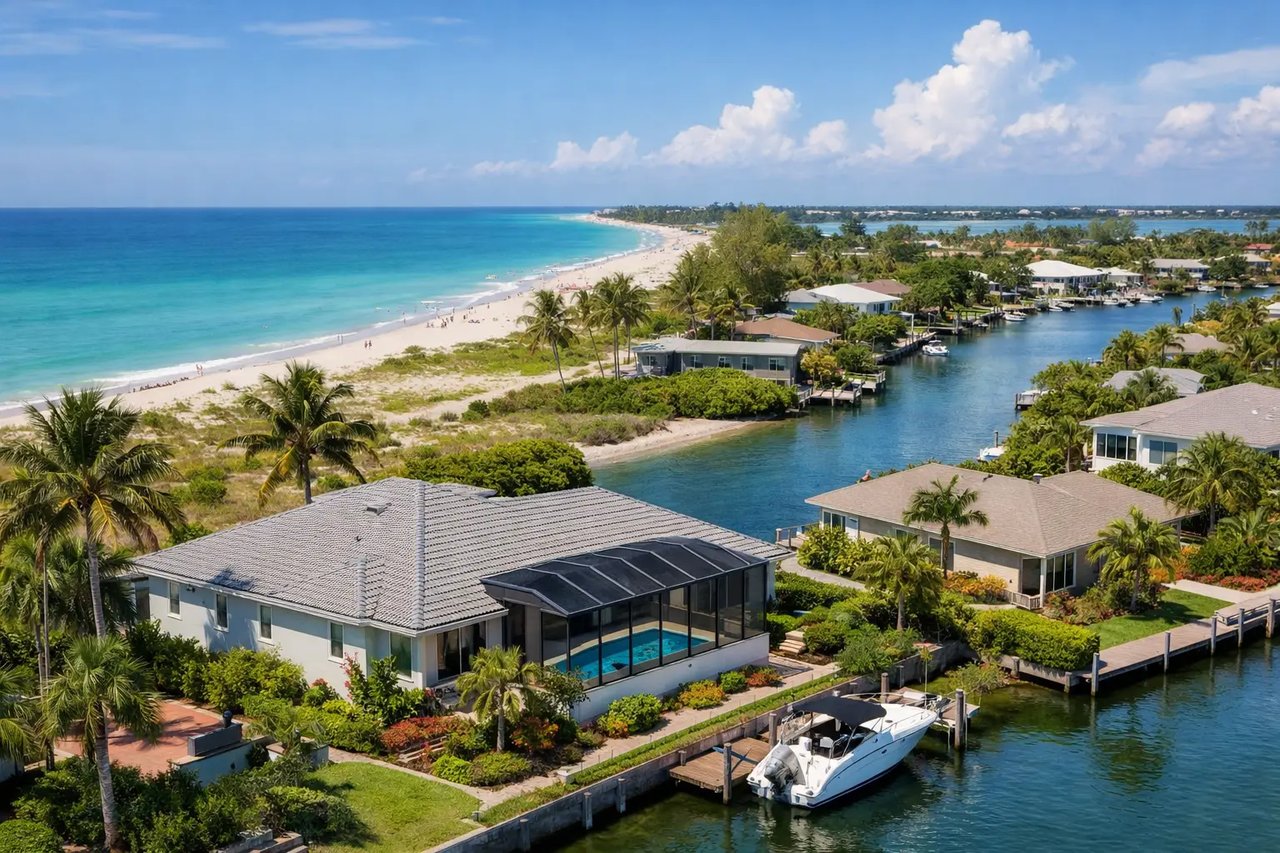
Punta Gorda sits on Charlotte Harbor, a protected estuary with miles of residential canals that feed directly into open water. You get a laid-back coastal pace, a strong boating culture, and peaceful neighborhoods with low traffic. Downtown brings restaurants, parks, and a public marina scene without major-city crowds.
Many canal homes offer private docks and no-lock access to Charlotte Harbor. The community also features places like the Fishermen’s Village marina, waterfront parks, and a scenic Harborwalk that links amenities along the shoreline. You can enjoy a quiet street at home, then reach dining and harbor views in a few minutes.
Boating and fishing access
Direct routes to Charlotte Harbor
From most canal neighborhoods, you can reach Charlotte Harbor without locks. Routes and timing depend on your boat type and tides, but you can explore local islands, inshore flats, and nearshore Gulf waters when conditions allow. Many owners keep lifts for convenience and hull care.
Services, fuel, and lifts
You will find marinas, boatyards, and fuel docks around town. The Fishermen’s Village marina complex is a local hub for slips, dining, and seasonal charters. Private lifts are common at canal homes and help reduce maintenance, especially in saltwater.
Fishing in an estuary
Charlotte Harbor supports popular inshore species. Anglers fish from docks, kayaks, and guided boats. Seasonal conditions and water quality events can affect success, so plan to be flexible during occasional red tide or freshwater discharge periods.
Walkability and public waterfront
Downtown Punta Gorda is easy to explore on foot, with parks, the Harborwalk, and public marinas near restaurants and shops. City parks like Gilchrist Park and Laishley Park sit along the water and host local events. For an overview of public amenities, start with the City of Punta Gorda.
Canal neighborhoods tend to be quiet and low traffic. Sidewalks vary by subdivision, so most daily errands still happen by car. Short drives connect you to groceries, pharmacies, and services.
Everyday conveniences and travel
You have everyday shopping and dining in Punta Gorda, with more options in nearby Port Charlotte and North Port. Healthcare includes local medical centers and urgent care, with larger regional hospitals within driving distance. For air travel, Punta Gorda Airport offers commercial service, while Southwest Florida International in Fort Myers is the larger regional hub about 25 to 40 minutes by car, depending on traffic and exact starting point.
Homes and canal living basics
You will find single-family homes as the primary waterfront option, plus some condominiums with access to slips. Many homes are one or two stories with private docks. Canal lots are typically narrow with seawalls or bulkheads. Some properties include boat wells, lifts, or covered slips, but each home is different. If you want to keep a specific boat, verify the canal depth, width, and any community rules before you buy.
Seawalls, docks, and ongoing maintenance
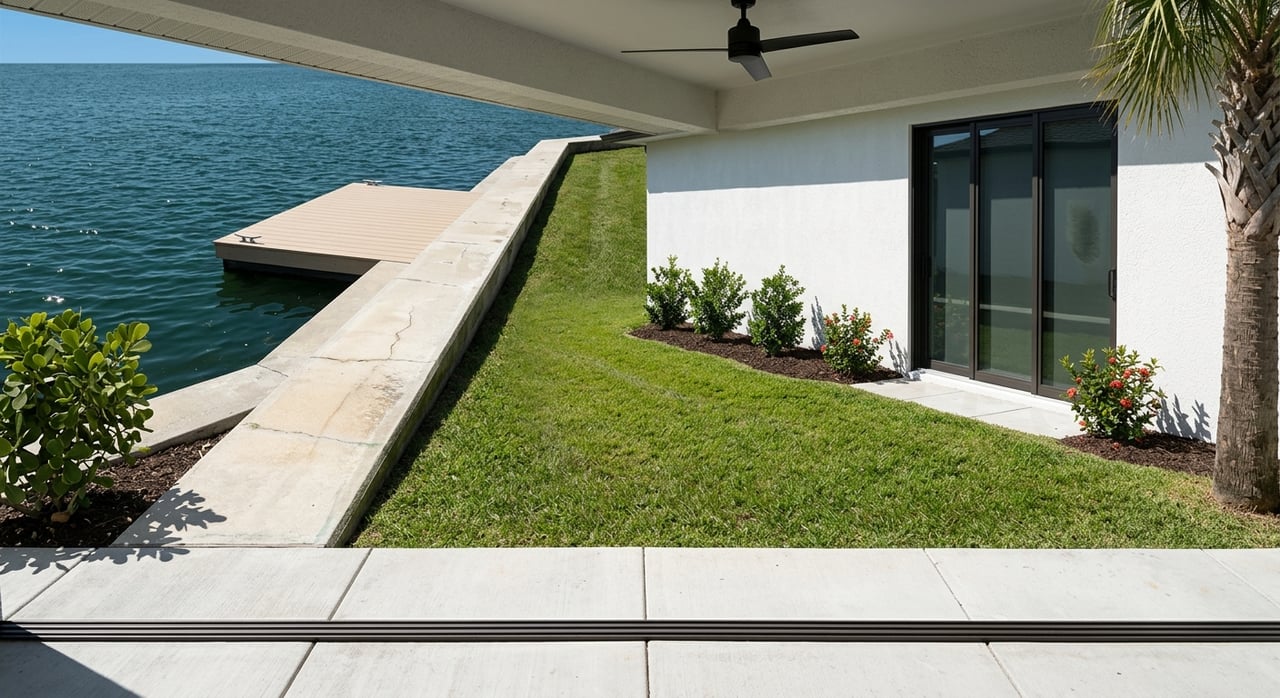
You are responsible for your seawall and dock. Most homeowners maintain their own seawalls, docks, and mooring structures and must meet local standards. Saltwater, sun, and marine borers take a toll, so plan for periodic repairs and eventual replacement over decades. Lifts and their electrical or mechanical parts also have service cycles.
Before you buy, ask for maintenance records and permits for seawall and dock work, then hire a qualified marine contractor to inspect pilings, tie-backs, caps, and lift components. For local permitting guidance, review Charlotte County Community Development, the Florida Department of Environmental Protection, and the U.S. Army Corps of Engineers Regulatory.
Insurance, flood risk, and storm prep
Waterfront homes often sit in FEMA flood zones. If your property is in a mapped flood zone and you finance the purchase, your lender will typically require flood insurance. Even outside mapped zones, many owners choose to carry it. Check your address on the FEMA Flood Map Service Center and speak with an insurance professional early in your search.
Florida’s insurance market can be complex, and coastal premiums are usually higher than inland equivalents. Insurers may require wind mitigation features. Expect a hurricane plan each season. Secure or store small craft, strap or lower boat lifts, and protect openings as advised by local guidance. Some owners trailer boats inland or arrange haul-outs before major storms.
Rules, permits, and associations
Marine construction is regulated at multiple levels. Dock, lift, or seawall projects usually involve city or county permits, state review through the Florida Department of Environmental Protection, and sometimes federal review through the U.S. Army Corps of Engineers Regulatory. Mangroves and certain shoreline vegetation are protected, and trimming often requires permits.
Association rules vary by neighborhood. Some areas have deed restrictions or HOAs that set standards for docks, boat sizes, architecture, exterior colors, and landscaping. Verify boat length and dock configuration limits with the municipality and any association before you make an offer.
Environmental quality and seasons
Charlotte Harbor is a living estuary. Water quality can fluctuate with freshwater discharges and other natural events. At times, harmful algal blooms can affect recreation for short periods. Local conservation partners, including the Charlotte Harbor National Estuary Program, monitor and support habitat and water quality. For long-term coastal context, you can also explore the NOAA Sea Level Rise Viewer.
Costs to plan for
Waterfront living brings unique costs. Budget for:
- Flood and wind insurance.
- Routine seawall, dock, and lift maintenance, plus eventual replacement.
- Corrosion impacts on HVAC and outdoor metals in salt air.
- Landscaping suited to salt exposure and mangrove management rules.
- Possible marina slip or storage fees if your property does not include a lift or slip.
- Hurricane preparedness supplies and possible boat hauling or storage.
Tip: Get quotes for insurance and marine work during your inspection window so you understand the full picture before closing.
Is waterfront life a fit for you?
You will love Punta Gorda’s waterfront lifestyle if you value time on the water, quiet streets, and harbor views. You should also be comfortable with the responsibilities that come with saltwater environments, such as routine dock and seawall care. If you want the convenience of quick boating access with a relaxed, small-city feel, these neighborhoods may align well with your goals.
Smart steps before you buy
Use this checklist to move forward with confidence:
- Confirm your flood zone and elevation on the FEMA Flood Map Service Center.
- Request seller records for seawall, dock, and lift permits and maintenance.
- Hire a marine contractor to inspect seawalls, tie-backs, pilings, caps, and lifts.
- Verify boat size limits, dock standards, and setbacks with Charlotte County Community Development and any HOA.
- Ask about canal depth, dredging history, and navigability in your specific area.
- Obtain preliminary quotes for homeowners, wind, and flood insurance.
- Check whether the property uses sewer or a private septic system.
- Visit the neighborhood at different times to note boat traffic, noise, and lighting.
- If you need a slip, contact marinas like Fishermen’s Village early about availability and waitlists.
Selling a waterfront home
If you are selling, gather a clear file of permits and service records for your seawall, dock, and lift. Buyers will ask for them. Highlight access to Charlotte Harbor, recent maintenance, and any wind mitigation features. Simple touch-ups, clean pilings, and a staged dock area help buyers picture the lifestyle.
Get guidance from a local pro
Waterfront homes are a dream for many buyers, but the details matter. You want an agent who understands canals, permits, and inspection priorities. If you are exploring Punta Gorda waterfront options or planning to sell, connect with Emily Rivera Jackson for local insights and a step-by-step plan.
FAQs
What is daily life like on Punta Gorda canals?
- Expect quiet streets, private docks, and quick access to Charlotte Harbor, with downtown parks and waterfront dining a short drive away.
How do permits work for docks and seawalls in Punta Gorda?
- Projects typically need city or county permits plus state review through FDEP and sometimes the U.S. Army Corps, especially if mangroves or submerged lands are involved.
How does flood insurance apply to Punta Gorda waterfront homes?
- Many canal homes sit in FEMA flood zones, and lenders usually require flood insurance there. Check your address on FEMA’s map and compare quotes early.
Are Punta Gorda canal neighborhoods walkable for errands?
- Downtown along the Harborwalk is walkable, while many canal subdivisions have limited sidewalks, so most residents drive for groceries and services.
What maintenance do seawalls and boat lifts need in saltwater?
- Routine inspections and repairs are common due to corrosion and marine borers. Lifts also require periodic service for mechanical and electrical parts.
How do red tide events affect boating and fishing in Punta Gorda?
- Harmful algal blooms can occur at times and temporarily affect recreation. Conditions vary by season and year, so monitor local updates before heading out.