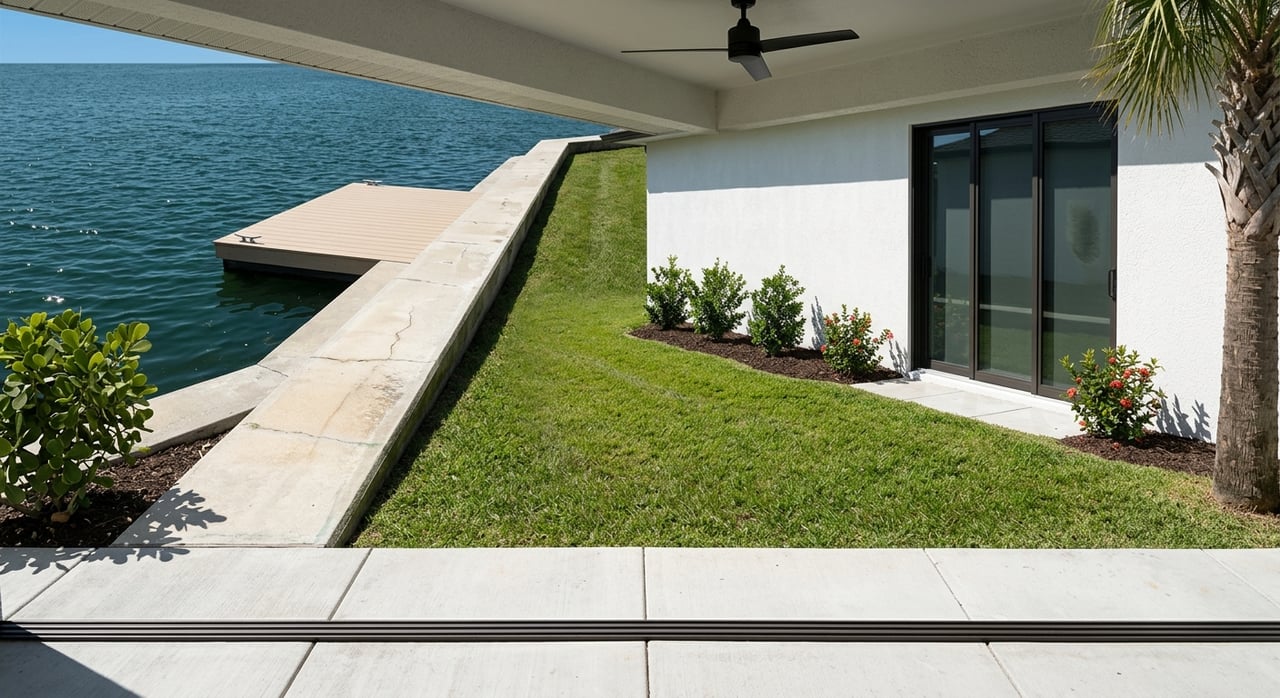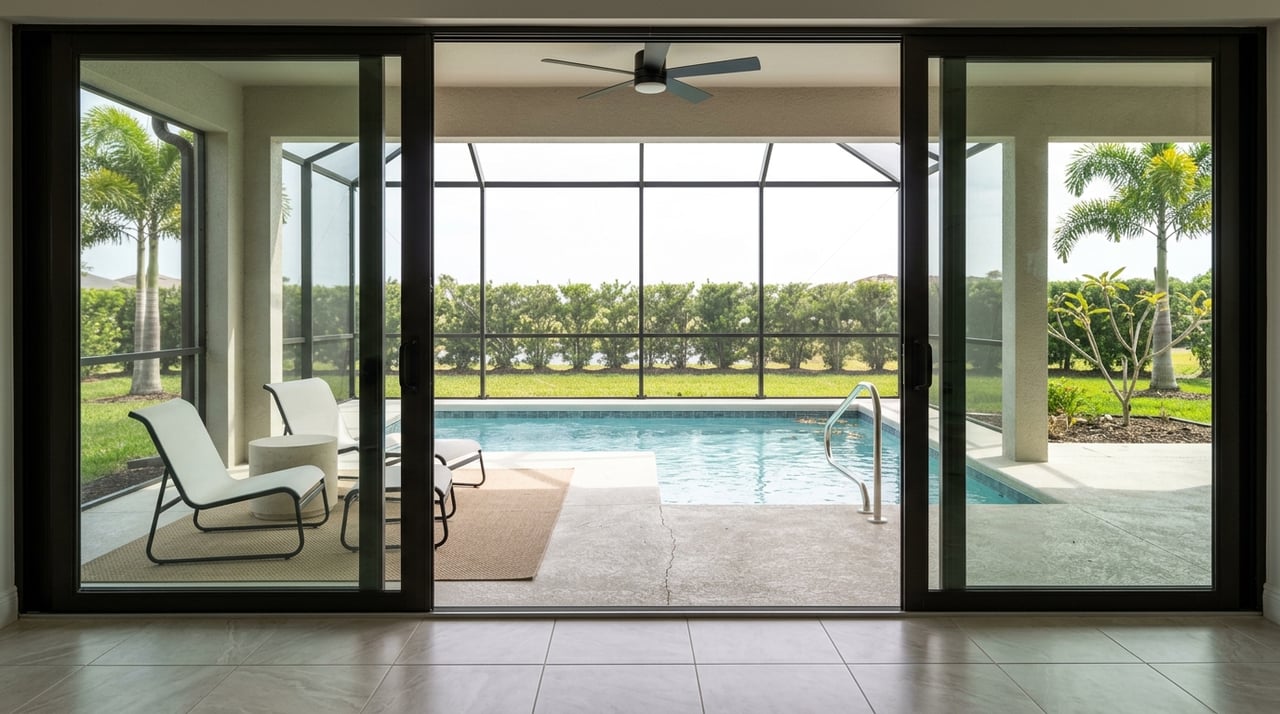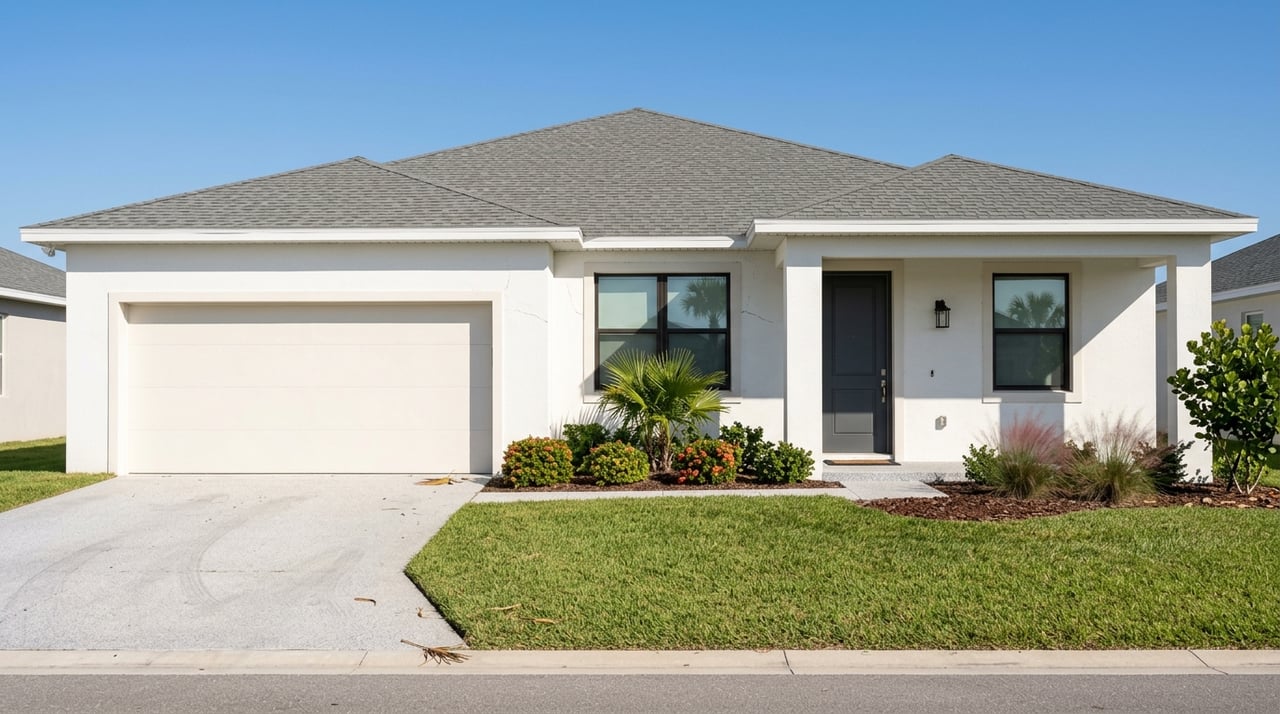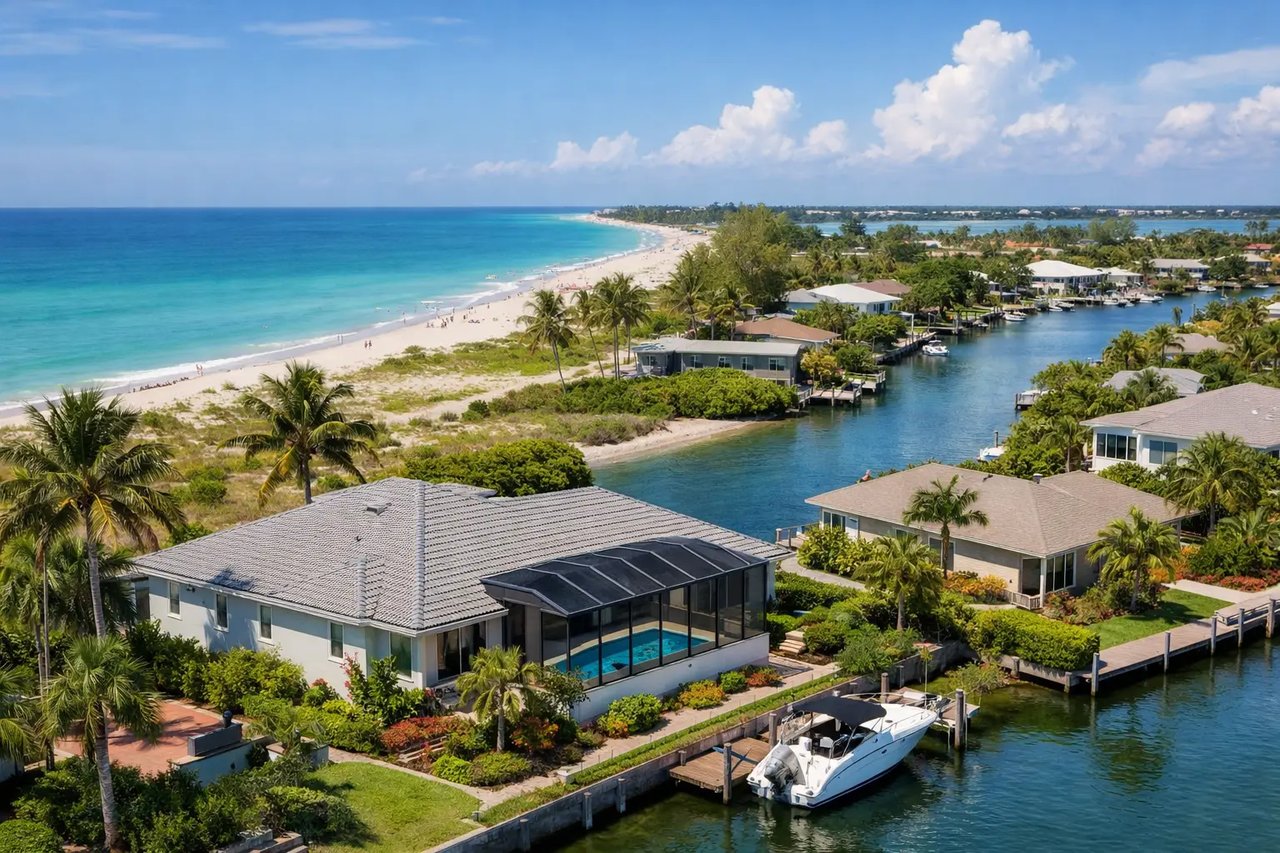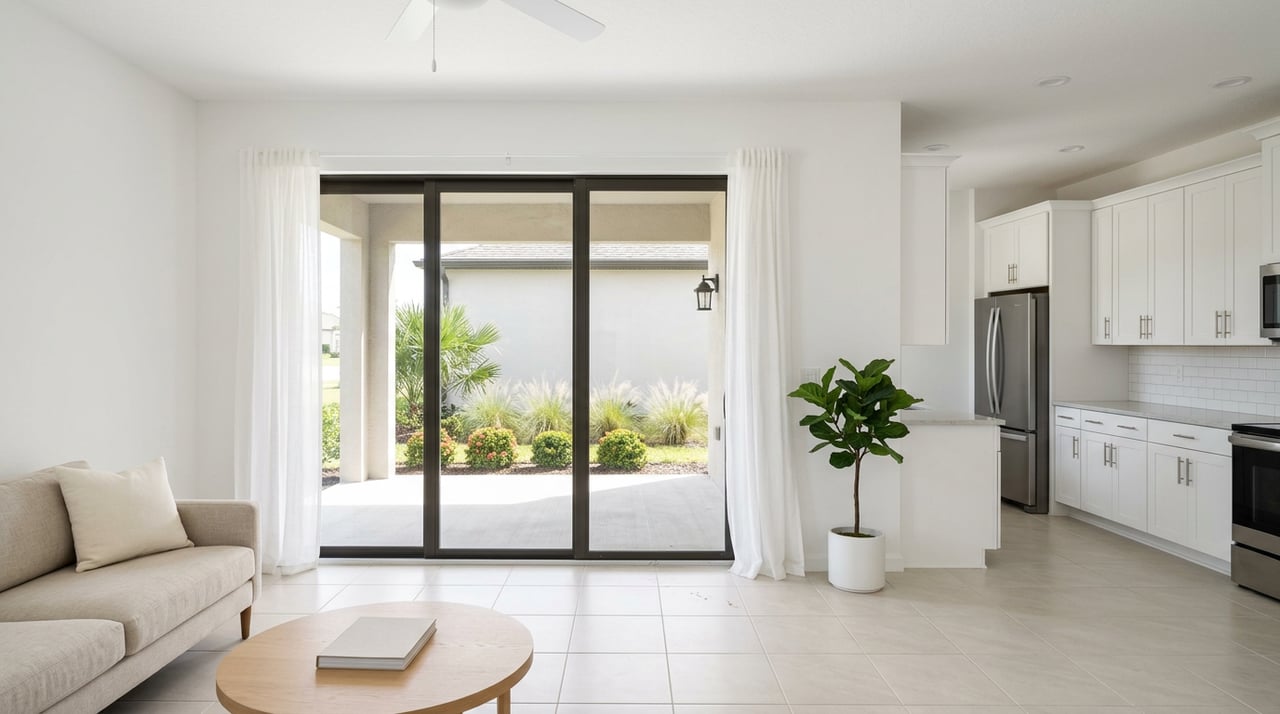
Thinking about a brand-new home in North Port? With model centers open and new streets being paved, it is easy to get excited and just start touring. Whether you are relocating, downsizing, or buying your first home, you want clear answers on builders, timelines, lots, and warranties before you sign. This guide focuses on North Port so you know what to expect and how to protect your interests from day one. Let’s dive in.
Why North Port new builds
Growth and price snapshot
North Port is one of the region’s fastest-growing cities. The U.S. Census estimates the city’s population at about 92,875 as of July 1, 2024, a sharp rise since 2020. You can see the trend in the city’s own data and planning efforts, and in the steady pace of new communities opening. Review the latest figures on the Census QuickFacts page for North Port.
On price and selection, consumer market trackers show hundreds of new homes available in the broader North Port market, with many listings in the low-to-mid $300,000s. For a feel of active inventory and asking prices right now, scan Redfin’s North Port new homes page. Use these as market indicators rather than fixed prices, since listings shift month to month.
Where the building is happening
You will see major national and regional builders in and around North Port. Production builders like Lennar, Pulte, D.R. Horton style firms, Mattamy and others are active, along with villa and townhome products and some 55-plus options. Area listing directories snapshot this mix well on Livabl’s North Port quick move-in page.
A key driver nearby is Wellen Park, a large master-planned area that adds homes, retail, healthcare access, and amenities that shape demand across South Sarasota and North Port. For context on its growth and future phases, read Sarasota Magazine’s Wellen Park coverage.
What builders offer
Production vs semi-custom or custom
Most buyers in North Port choose a production builder. You pick from standardized floor plans and a curated set of finishes at a design center. The process is simpler, build times are shorter, and warranties are clear. You will see this approach with the larger, national names that operate at scale.
Semi-custom or custom builds allow more design freedom but usually take longer and cost more per square foot. In this area, true custom is less common at entry and mid-market prices unless you already own a lot and hire a builder separately.
Active-adult options are also part of the mix. These often feature one-level living and HOA-maintained landscaping. For a taste of what that looks like locally, check Pulte’s North Port and Sarasota offerings.
Common floor plans and sizes
Expect practical single-story layouts around 1,500 to 2,500 square feet, with many 3 bedroom, 2 bath designs. You will also see paired villas and smaller plans that appeal to downsizers and seasonal buyers. Average production plans often land near 1,700 to 2,000 square feet, balancing cost, efficiency, and ease of maintenance.
Timelines and inventory
Spec vs to-be-built
Builders sell two main types of new homes:
- Quick move-in or spec homes. These are already under construction or completed. They can often close on a resale-style timeline if the home is done and permits are finalized. You can browse a sample of current spec options on Livabl’s quick move-in roundup.
- To-be-built homes. You choose the lot, floor plan, and finish package. The builder then starts construction.
Build schedule tips
For a production single-family home, plan on roughly 6 to 12 months from contract to completion, with weather, permitting, and supply conditions affecting that timing. Consumer guides and industry benchmarks align on the under-one-year range for most production builds. For a clear overview of typical timelines, see SoFi’s guide to how long a home takes to build.
If you need to move quickly, focus on completed or nearly completed spec homes first. If you choose a to-be-built home, ask what happens if schedules slip and which dates in your contract are firm versus estimates.
Financing your new build
Loan structures to compare
You have two common paths if you are building from scratch:
- Construction-to-permanent (single-close) loan. One closing, rate lock upfront in many cases, and no second round of closing costs later.
- Two-close structure. A construction-only loan during the build, then you refinance into a permanent mortgage at completion. This can give you flexibility to shop for the best long-term terms later.
Programs like FHA, VA, and USDA offer construction versions with added rules. Ask lenders about draws, inspection holds, and interest-only payments during the build. For a helpful overview of how these mechanics work, read this explainer on draws and rate considerations for construction loans.
Incentives and comparisons
Many builders offer incentives such as closing cost help or temporary rate buydowns when you use their preferred lender. These can be valuable, but usually come with conditions. Compare incentives against an outside lender’s full offer, and get every detail in writing before you choose a path.
Lots, utilities, and HOAs
Flood zones and resiliency
North Port includes areas mapped by FEMA as Special Flood Hazard Areas, especially near Myakkahatchee Creek, the Myakka River corridor, and low-lying canal systems. The City participates in the NFIP Community Rating System, which can reduce premiums for many owners in mapped zones. Always confirm the exact flood zone for the lot you are considering and review elevation information when available. Start with the City’s flood information and FEMA map resources.
Water, sewer, and septic
Whether a lot is served by municipal water and sewer depends on location and the current infrastructure phase. Where lines exist, local rules require connection to central systems. Edge areas may still rely on well and septic until mains are extended. Verify water, sewer, reclaimed water for irrigation, and any impact fees or connection requirements as part of early due diligence.
HOAs and lot premiums
Most new subdivisions and master plans use HOAs with design standards, landscaping rules, and amenity fees. Expect lot premiums for preserve views, corner locations, or larger sites. Request the full CC&Rs, design guidelines, and a breakdown of all fees before you commit, and understand any developer rights that continue after closing.
Warranties and inspections
What the 1-2-10 warranty means
Many production builders follow a “1-2-10” warranty model. That often means 1 year for workmanship and finishes, 2 years for major systems like HVAC, plumbing, and electrical distribution, and 10 years for major structural defects. Coverage specifics, caps, and claim steps vary, so read the documents you receive from your builder or its third-party administrator. For a primer on structural coverage frameworks, see the 2-10 Home Buyers Warranty overview.
Phased inspections to plan
New does not mean perfect. Independent inspections at key stages help you catch issues while it is easy to fix them and while warranty windows are open. Common milestones include foundation, pre-drywall, and final walkthroughs, plus an 11-month inspection before the first-year workmanship period ends. For timing tips on the warranty window and punch-list strategy, review these new-build warranty inspection pointers.
Document everything with dated photos and written notes, and submit warranty items through the builder’s process.
Florida protections to know
If you believe a defect exists and the builder is not resolving it, Florida’s Chapter 558 requires a written notice to the builder and an opportunity to inspect and repair before filing suit. The notice period is often 60 days for single-home claims. You can read the statute’s notice-and-cure language here: Florida Statutes, Chapter 558.
Florida also shortened certain limitation and repose timelines for construction claims in 2023. This change ties key deadlines to completion or certificate of occupancy events, which can reduce the time you have to pursue litigation. If you face a timeline-sensitive issue, consider speaking with a Florida construction attorney promptly.
Why your own agent matters
Builder salespeople are friendly and knowledgeable, but they represent the builder. Your own agent represents you. A local buyer’s agent makes sure you are properly registered on your first visit, helps you compare communities and models, and reviews contract terms and addenda. They also coordinate inspections, track warranty deadlines, and negotiate lender incentives and closing cost credits so you keep more control from start to finish.
How your agent helps in North Port
- Compares builders and neighborhoods across North Port and nearby hubs like Wellen Park so you balance value, commute patterns, and amenity sets.
- Reviews the contract package, HOA disclosures, and design-center pricing so you prioritize upgrades with the best utility and resale value.
- Verifies lot-specific details such as flood zone, anticipated utility connections, and any lot premium conditions before you put down a deposit.
- Coordinates phased inspections and the 11-month walkthrough, then helps you document and submit warranty items on time.
- Navigates preferred-lender incentives and rate buydowns versus outside offers so you can see the true net cost.
Quick buyer checklist
- Bring a local agent with new-construction experience to your first model-center visit so your representation is recognized.
- Confirm lot-specific details: FEMA flood zone, any elevation certificate, water and sewer status, and all HOA rules and fees.
- Ask for the full purchase contract, community CC&Rs, and upgrade price sheets in writing. Review them carefully before you sign.
- Choose your financing path early. Compare a single-close loan versus two-close, and weigh preferred-lender incentives against outside quotes.
- Plan phased inspections and schedule an 11-month inspection to protect your warranty rights.
- Keep a dated record of communications and photos for warranty items, and submit issues through the builder’s process.
Ready to explore North Port new builds?
You deserve straight answers, a clear plan, and a partner who knows the local builders and the back roads. If you are considering a new home in North Port or nearby Wellen Park, get a tailored list of quick move-in options, side-by-side community comparisons, and contract support from start to keys in hand. Connect with Emily Rivera Jackson to start smart and buy with confidence.
FAQs
How much do new homes in North Port typically cost?
- Market trackers show many new-home listings in the low-to-mid $300,000s, but prices vary by builder, lot premiums, and upgrades. Review current listings and incentives before you set a final budget.
How long will it take to build a new home in North Port?
- Many production builds complete in roughly 6 to 12 months, while quick move-in homes can close much faster if construction is complete and permits are in hand.
Do I need an inspection on a brand-new home?
- Yes. Independent inspections at foundation, pre-drywall, and final stages, plus an 11-month inspection, help you catch issues early and document items within warranty windows.
What warranties do builders usually provide?
- Many follow a 1-2-10 style structure, with 1 year for workmanship, 2 years for major systems, and 10 years for structural coverage, although exact terms vary by builder and warranty provider.
How do HOAs and lot premiums affect my bottom line?
- HOAs add monthly or quarterly fees and set design and maintenance standards, and many communities charge premiums for certain lots. Get a full fee sheet and CC&Rs before committing.
Should I use my own agent when buying new construction?
- Yes. Your agent represents your interests, helps you compare contracts and incentives, manages inspections and deadlines, and advocates for you from registration through closing and warranty.