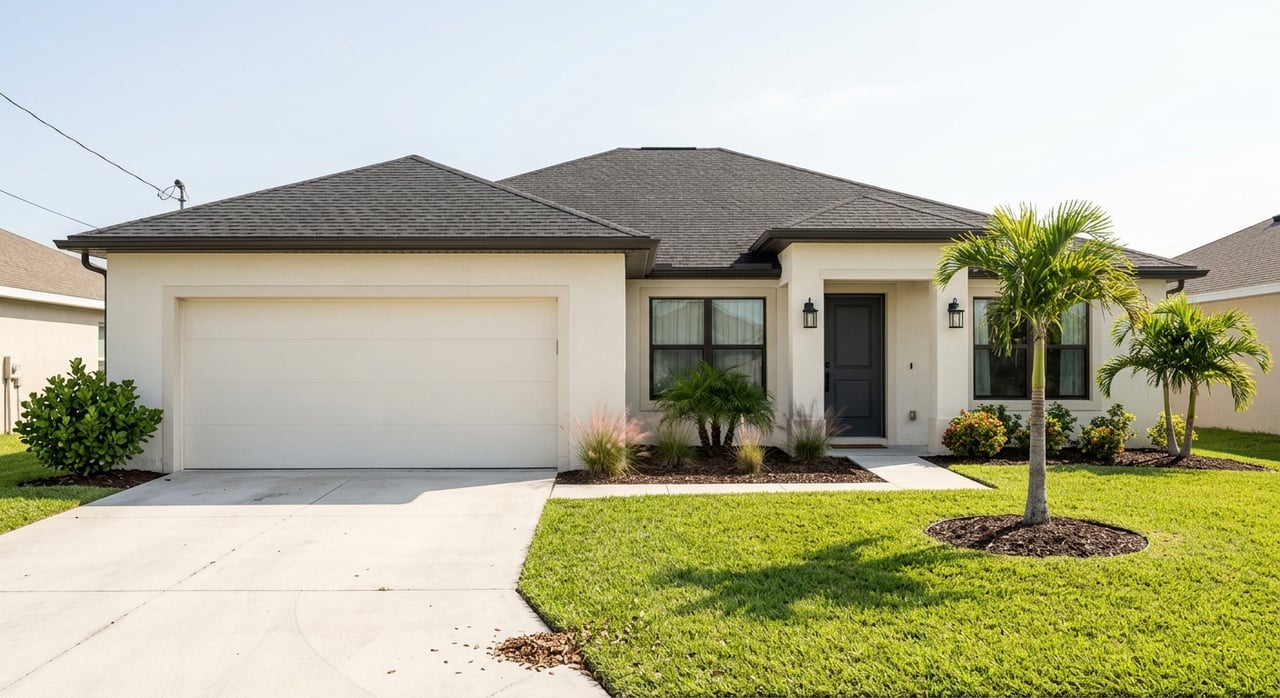
Selling your home in Punta Gorda can feel like a lot to manage, especially when you are trying to balance pricing, repairs, showings, paperwork, and your next move at the same time. If you know what happens first, what comes next, and where delays usually show up, the process gets much easier to navigate. This step-by-step timeline will walk you through what to expect when selling in today’s Punta Gorda market, including the key deadlines and local factors that can affect your sale. Let’s dive in.
What to Expect in Punta Gorda
If you are planning to sell in Punta Gorda, it helps to start with the current pace of the market. As of February 2026, Punta Gorda is a buyer’s market, with about 4,100 homes for sale, a median listing price of $379,900, and a median 89 days on market. On average, homes are selling for 4.92% below asking price, with a 95% sale-to-list ratio.
That means sellers should usually plan for a process measured in months, not days. Based on Florida Realtors statewide January 2026 data, a practical way to think about the Punta Gorda selling timeline is roughly three months from list to close, although some homes move faster and others take longer.
Step 1: Start With Pre-Listing Prep
Before your home goes live, you will want a clear plan for price, condition, timing, and paperwork. This is where your listing strategy takes shape and where many of the best decisions happen.
During this stage, your agent will typically review recent comparable sales, evaluate your home’s condition, and help you decide which updates or repairs are worth doing before listing. In a market with more inventory and more buyer choice, preparation matters because buyers have more room to compare homes and negotiate.
Gather Key Documents Early
A smoother sale often starts with having your paperwork ready before a buyer appears. In Florida, sellers must disclose known facts that materially affect the property’s value and are not readily observable, according to Florida real estate disclosure laws.
If your property is in a flood-exposed area, this step is especially important in Punta Gorda. Florida Realtors states that the flood disclosure must be provided at or before contract execution, so it is smart to prepare that information early instead of scrambling later.
Decide What to Repair
Not every issue needs to be fixed before listing, but obvious maintenance problems can hurt your momentum once buyers start touring the home. A leaking faucet, damaged screens, missing trim, or deferred exterior upkeep can make buyers wonder what else they might find during inspections.
The goal is not perfection. The goal is to present a home that feels cared for, priced correctly, and ready for the market.
Step 2: List and Launch Your Home
Once your prep work is done, your home officially enters the market. This is the stage where photos, listing details, and showing access all work together to create your first impression.
In Punta Gorda, where inventory is elevated, the early days of your listing matter. Homes that are easy to show, professionally presented, and priced in line with current market conditions are generally in a better position to attract interest before they go stale.
Expect Showings and Feedback
After launch, buyers will begin touring the home and comparing it to other available options. You may get useful feedback about price, condition, layout, or features that buyers are reacting to.
Sometimes that feedback confirms your strategy. Other times, it signals that a pricing adjustment or presentation change may help your home stay competitive.
Be Ready for Market Reality
Because Punta Gorda is currently a buyer’s market, flexibility can matter. Buyers may take more time to decide, ask for concessions, or submit offers below list price.
That does not mean your home will not sell. It means your timeline and negotiation strategy should reflect the current conditions rather than the faster pace sellers saw in more competitive periods.
Step 3: Review Offers and Negotiate Terms
Once an offer comes in, the process shifts from marketing to negotiation. Price matters, but it is only one part of the deal.
You will also want to look at financing type, deposit strength, inspection timing, requested credits, and closing date. A higher offer is not always the strongest offer if the terms create more risk or more chances for delays.
Understand the Contract Timeline
After you accept an offer, the contract deadlines start quickly. In the Florida Realtors and Florida Bar contract forms, the inspection period defaults to 15 days after the effective date if that blank is left empty.
That means the first major buyer decisions usually happen early. Once you are under contract, every deadline matters, so staying organized becomes critical.
Step 4: Move Through Inspections and Repair Requests
The inspection period is often where a transaction becomes more detailed. Buyers may schedule a general home inspection, wood-destroying organism inspection, permit review, or other evaluations depending on the property and financing.
If the buyer finds issues, they may ask for repairs, a credit, or another adjustment to the deal. This part of the timeline can move quickly, so having a responsive agent and clear communication can help keep the transaction on track.
Common Reasons This Stage Slows Down
Inspection and post-inspection negotiation can add time when:
- repair requests are extensive
- contractor estimates are needed
- permits or prior work need clarification
- the buyer and seller disagree on credits or scope
- weather affects scheduling for inspections or repairs
In Punta Gorda, weather can become part of the timing equation. The Atlantic hurricane season runs from June 1 through November 30, which can affect scheduling, repair timelines, and even insurance quote turnaround during summer and fall transactions.
Step 5: Navigate Financing and Closing Prep
If your buyer is using financing, the lender will be working in parallel with the inspection process. The buyer’s loan approval, appraisal, and final underwriting all influence whether the file stays on schedule.
This is one reason some sales move faster than others. Cash deals can sometimes simplify the timeline, while financed purchases may require more documentation and more coordination near the finish line.
Watch the Final Lending Deadlines
One of the most important timing rules comes near closing. For financed transactions, the lender must provide the Closing Disclosure at least three business days before closing.
That creates a hard buffer at the end of the sale. If lender conditions, title issues, or document corrections appear late, closing may need to be pushed to allow the required timing.
Step 6: Final Walk-Through and Closing Day
As closing approaches, the buyer will usually complete a final walk-through. According to Florida Realtors’ guidance on the final walk-through, this is typically scheduled 24 to 72 hours before closing.
The walk-through gives the buyer a chance to confirm that the home is in the expected condition and that any agreed repairs have been completed. It is also the time to make sure agreed items that should stay with the property are still there.
What Closing Means
Florida Realtors defines closing as the point when the closing agent has received all required funds and all closing documents have been delivered. Once that happens, the sale is complete.
For sellers, this is the final handoff point. Your planning for move-out, utilities, keys, and any final property access should line up with the closing date and possession terms in your contract.
A Simple Punta Gorda Selling Timeline
Here is a practical way to think about the process:
- Week 1 to 3: Pre-listing consultation, pricing, repairs, disclosures, and listing prep
- Week 3 to 8+: Active listing period, showings, buyer feedback, and possible price adjustments
- Offer accepted: Contract deadlines begin right away
- First 15 days after contract: Inspections and early negotiation points
- Following weeks: Appraisal, loan processing, title work, and closing prep
- Final 24 to 72 hours: Buyer walk-through
- Closing day: Funds and documents are completed
In broad terms, Punta Gorda sellers should plan for about a three-month process overall, while remembering that prep, pricing, financing, inspection outcomes, and weather-related issues can all shift the pace.
How Good Planning Reduces Stress
Selling a home is easier when you treat it like a sequence of deadlines instead of one big event. The more prepared you are before listing, the fewer surprises you are likely to face once a buyer is involved.
That is especially true in a market like Punta Gorda, where homes may stay on the market longer and buyers often have room to negotiate. A clear pricing strategy, complete disclosures, easy showing access, and close attention to contract deadlines can make a real difference.
If you want a sale that feels organized from start to finish, working with a hands-on local broker matters. Emily Rivera Jackson brings deep Southwest Florida market knowledge, responsive communication, and full-service transaction support to help you move through each step with more confidence. Call or text anytime for a free home valuation and personalized listing plan.
FAQs
How long does it usually take to sell a home in Punta Gorda?
- In today’s market, a practical estimate is about three months from listing to closing, although some sales move faster or slower depending on pricing, financing, repairs, and contract timing.
What is the inspection period for a home sale in Florida?
- In the Florida Realtors and Florida Bar contract forms, the inspection period defaults to 15 days after the effective date if the blank is left empty.
What disclosures do Punta Gorda home sellers need to prepare?
- Florida sellers must disclose known facts that materially affect value and are not readily observable, and flood disclosure must be provided at or before contract execution.
How does hurricane season affect selling a home in Punta Gorda?
- Hurricane season runs from June 1 to November 30 and can affect showing schedules, repair timing, and insurance-related steps during a sale.
When does the final walk-through happen before a Florida closing?
- The final walk-through is usually scheduled 24 to 72 hours before closing so the buyer can confirm the property’s condition and any agreed repairs.