Trying to decide between North Port and Punta Gorda? You’re not alone. Both sit in Southwest Florida, offer year-round sun, and give you very different ways to live near the Gulf. In this guide, you’ll learn how these cities compare on lifestyle, home prices, HOAs, beaches and airports, and practical costs like taxes and insurance. By the end, you’ll have a clear next step that fits your goals. Let’s dive in.
Quick snapshot: size, vibe, price signals
North Port is much larger and still growing, with an estimated population of about 92,875 as of July 1, 2024, while Punta Gorda is about 20,416 and skews older by Census measures. You can verify North Port’s size on the Census QuickFacts page for the city. Census QuickFacts shows North Port’s latest estimate.
The two cities feel different on the ground. North Port reads as suburban with many newer master-planned neighborhoods and inland parks. Punta Gorda feels like a smaller, historic harbor town with a walkable downtown, marinas, and canal communities.
On prices, use the right metric. Zillow’s value index (ZHVI) for North Port was around the low to mid $300s as of data through December 2025. Punta Gorda metrics vary by data source and area mix, with some regional reports showing recent medians in the mid $300s for the broader MSA. Always check dates and the data provider.
Housing market basics
Price guides you can trust
Different providers track different things. A value index like Zillow’s ZHVI estimates overall market value, while a median sale price from a regional report reflects closed deals for a period, and a median listing price reflects current asking prices. For North Port, you can look at Zillow’s ZHVI page for an at-a-glance view. For Punta Gorda’s broader market, FGCU’s Regional Economic Research Institute dashboard summarizes recent median sale trends. Note the date on any figure you use so you’re comparing apples to apples.
What you’ll find: homes and neighborhoods
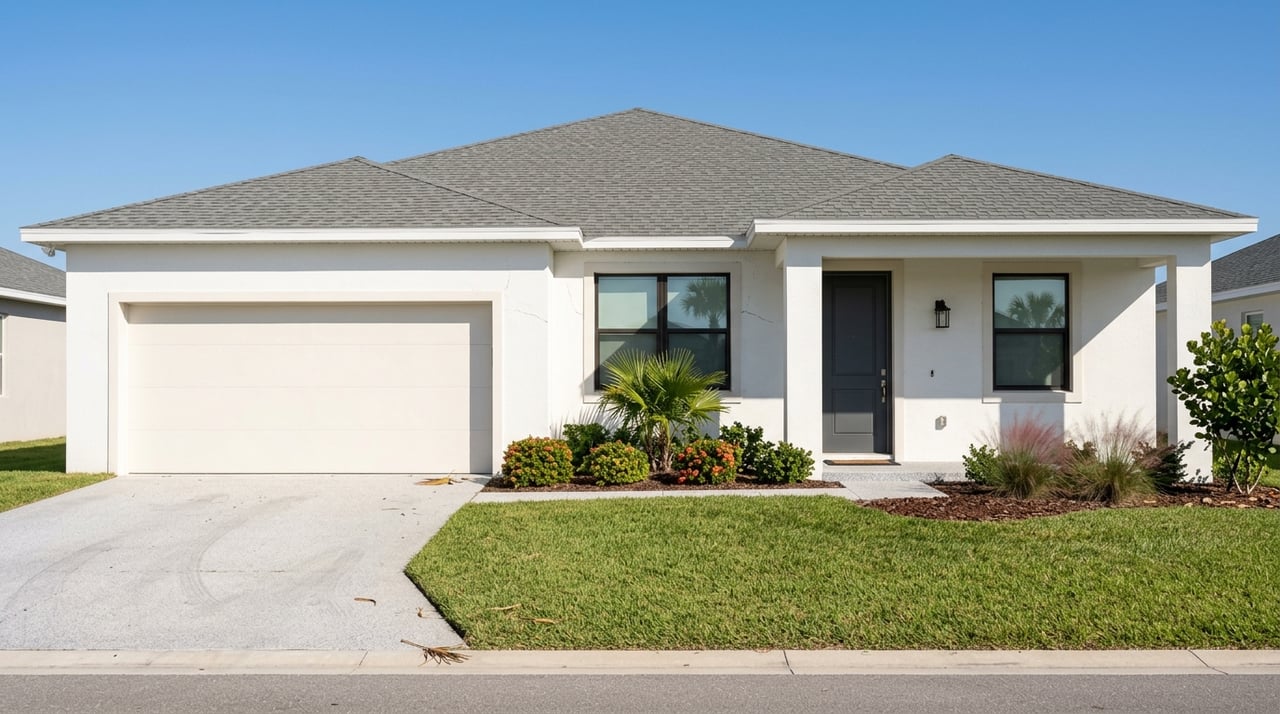
- North Port: You’ll see lots of newer single-family homes, especially in and around Wellen Park and adjacent areas. Many new-build villages come with community amenities and rules. There are also manufactured-home communities and some entry-price neighborhoods where more affordable options appear. For a feel of the Wellen Park approach to amenities and planning, review this community overview.
- Punta Gorda: You’ll find a mix of historic homes near downtown, canal-front neighborhoods such as Punta Gorda Isles and Burnt Store areas, and nearby master-planned communities. Waterfront and canal properties tend to command premiums, while inland or manufactured-home areas can be more budget-friendly. Browse a roundup of Punta Gorda neighborhoods and canal communities to see the range.
HOA vs CDD: know your fees
- HOAs: Many master-planned villages in both markets include homeowners associations that cover amenities and upkeep. Monthly fees can range from modest for maintenance-light villas to several hundred dollars in amenity-rich or club settings.
- CDDs: Community Development District assessments often appear in newer, master-planned communities and are collected on your tax bill to pay for infrastructure. It’s separate from the HOA and can affect your carrying costs.
- Non-HOA choices: You can find non-HOA neighborhoods in both cities. North Port has rural lots and older platted areas with limited deed restrictions. Punta Gorda’s historic district includes many standalone homes without a neighborhood HOA. Always verify a specific parcel’s rules before you write an offer.
Market tempo and negotiation
Across parts of Southwest Florida, inventory has risen and days on market have normalized compared to the pandemic peak. That can create negotiating room in some submarkets, especially for higher-priced waterfront homes or speculative new builds. When you compare pace, match the metric to your goal, whether listings or closed sales.
Lifestyle and location access
Beaches: typical drive times
If daily beach runs matter to you, map your likely routes. From many North Port neighborhoods, you’ll typically see 15 to 30 minutes to Venice or Englewood/Manasota Key, depending on where you start and traffic. From Punta Gorda, expect about 30 to 60 minutes to barrier-island beaches such as Boca Grande/Gasparilla Island or Manasota Key. Travel times vary by address and season.
Airports and travel
Punta Gorda Airport (PGD) sits just outside the city and offers low-cost leisure service. For broader flight networks, many residents use Southwest Florida International (RSW) or Sarasota-Bradenton (SRQ). Learn about PGD services and access on the airport’s site. From North Port, SRQ is often about 30 to 50 minutes depending on origin, and Tampa International can be under 90 minutes with light traffic.
Health care access
Acute care access is a common priority. In North Port, Sarasota Memorial has moved forward with a new hospital campus, with the board selecting a site and approvals advancing in 2025. You can read the overview in this hospital update. In Charlotte County, residents use facilities in Punta Gorda and nearby Port Charlotte for emergency and many specialties, with larger specialty centers in Sarasota or Fort Myers. If health care proximity is important to you, factor hospital access into your neighborhood shortlist.
Boating and waterfront lifestyle
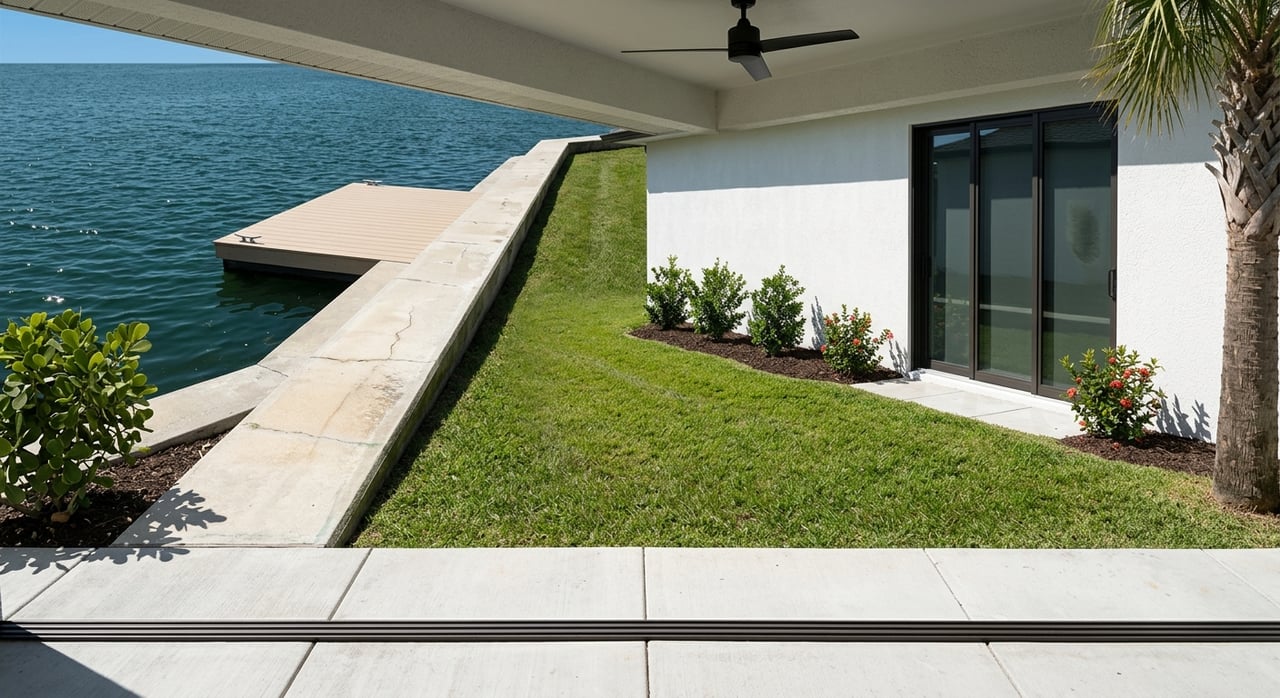
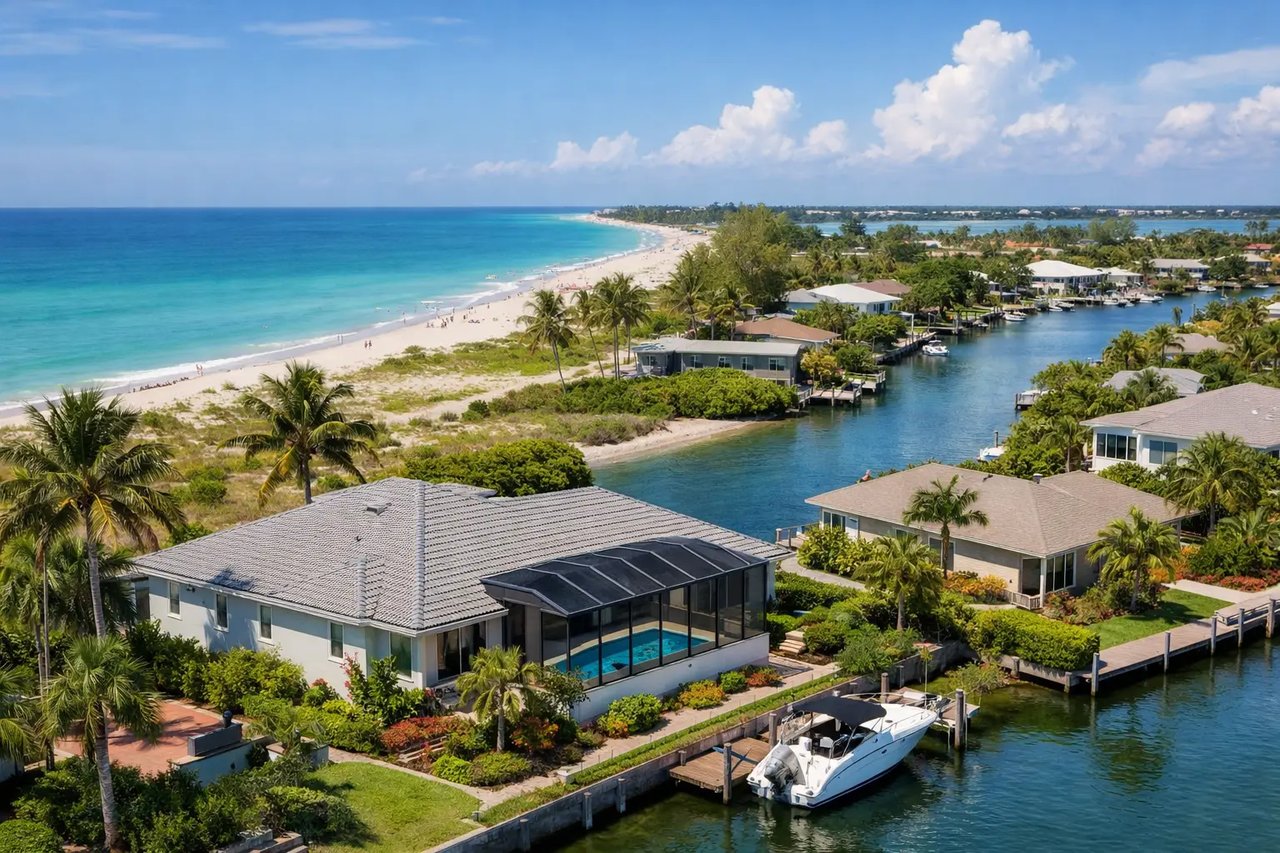
If you want private dock access and canal cruising, Punta Gorda’s canal networks and waterfront neighborhoods are a standout. Many areas include associations focused on navigable canals and dock infrastructure. North Port offers inland waterways and river access, but fewer dense canal subdivisions with direct Gulf access. For waterfront buyers, build a due-diligence checklist that includes dock permits, seawall age, canal maintenance responsibilities, and a current elevation certificate.
Risk and recurring costs
Flood and hurricane risk
Southwest Florida is hurricane-prone. Punta Gorda and Charlotte Harbor experienced direct impacts from Hurricane Ian, including storm surge in harbor-adjacent neighborhoods. North Port saw heavy rainfall and flooding during the same storm. Before you buy, check FEMA flood maps for the specific property, review any available elevation certificate, and request multiple homeowners and flood insurance quotes early. For regional context, see the CHNEP Hurricane Ian resource page.
Property taxes, homestead and assessments
Your tax bill reflects county and city millage plus special assessments such as CDDs. If you plan to make Florida your primary residence, review homestead exemption rules, the March 1 filing deadline, and Save Our Homes portability. For North Port, you can review local millage and assessment basics on the city site’s taxes and assessments page.
Mobility and daily living
Both cities are car-oriented. North Port’s suburban layout makes living near planned retail and community amenities convenient. Punta Gorda’s downtown core is more walkable, yet most residents still drive for regional errands. If you work remotely or travel often, weigh your commute to SRQ, PGD, or RSW and check local broadband options.
Which city matches your priorities?
Use these quick profiles to align your search with your goals.
You want newer builds and value
- Focus on North Port, including Wellen Park area villages. You’ll find many single-family new builds and amenity neighborhoods at a range of price points. Check HOA fees and whether a CDD appears on the tax bill.
You want boating and a harbor town feel
- Focus on Punta Gorda’s canal communities and downtown-adjacent neighborhoods. Expect premiums on canal properties and add seawall, dock, and canal-dredging research to your offer prep.
You want low-maintenance amenities
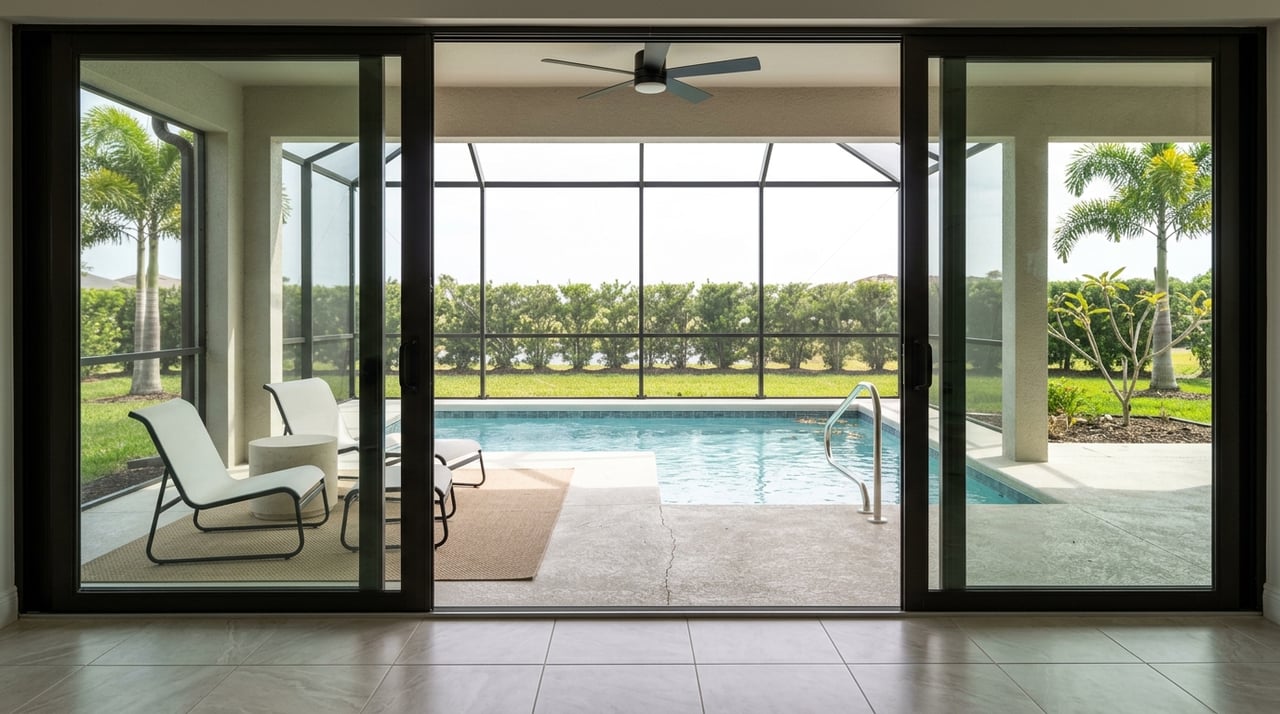
- Consider amenity-rich villages in the North Port/Wellen Park area and master-planned communities near Punta Gorda. Many offer social calendars, pools, trails, and lawn care. Verify monthly HOA fees and what they cover.
You want fewer rules
- Explore non-HOA areas such as North Port’s rural lots or Punta Gorda’s historic district. Confirm parcel-level deed restrictions and any municipal rules before purchasing.
How I help you choose with confidence
This decision is personal. Your best fit depends on how you want to live, your budget, and your appetite for amenities or waterfront ownership. With 25+ years serving North Port, Punta Gorda, and the surrounding coastal markets, I match your must-haves to the right neighborhoods, flag real costs like HOAs and CDDs, and guide you through due diligence on flood, insurance, and taxes.
Ready to explore? Reach out to Emily Rivera Jackson for a custom shortlist, on-the-ground tours, and a clear plan to buy with confidence.
FAQs
Which is more affordable: North Port or Punta Gorda?
- It depends on the metric and neighborhood. Zillow’s value index shows North Port in the low to mid $300s as of December 2025, while regional reports place Punta Gorda’s broader MSA in the mid $300s. Always compare the same data type and date.
Are there non-HOA options in either city?
- Yes. North Port has rural and older platted areas with limited deed restrictions, and Punta Gorda’s historic district offers many standalone homes. Always verify parcel-level covenants and any sub-association fees.
How far are beaches and airports from each city?
- From many North Port neighborhoods, beaches like Venice and Englewood/Manasota Key are about 15 to 30 minutes away, and SRQ is often 30 to 50 minutes. From Punta Gorda, barrier-island beaches are usually 30 to 60 minutes, and PGD is a short drive.
What should I know about flood and hurricane risk?
- Both areas face hurricane risk. Check FEMA flood maps for any address, request an elevation certificate, and get multiple insurance quotes early. Review regional Hurricane Ian summaries for context.
How do HOAs and CDDs affect my budget?
- HOAs charge monthly or quarterly fees for amenities and upkeep, while CDDs are special assessments on your tax bill for community infrastructure. Factor both into your total monthly cost and verify amounts in writing before you offer.