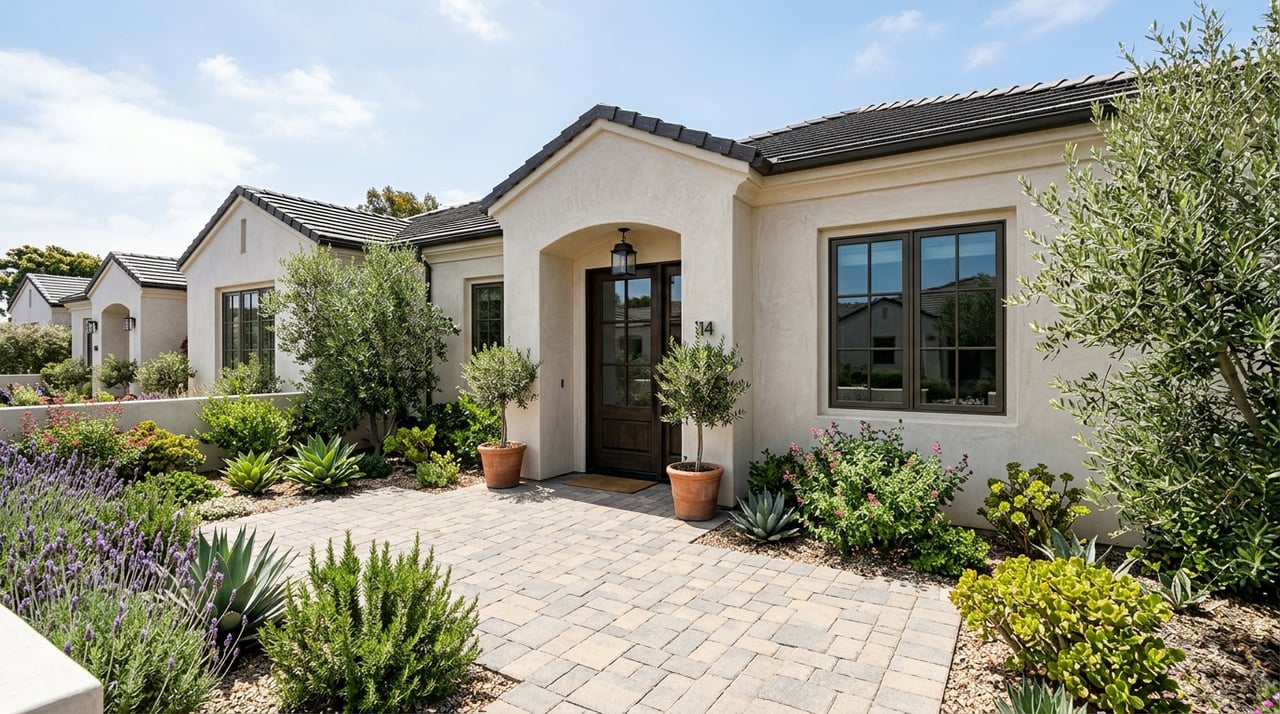
Thinking about retiring to Punta Gorda? You are not alone, and the numbers make that clear. More than half of Punta Gorda’s residents are 65 or older, which helps explain why so many buyers see this Charlotte County city as a natural fit for their next chapter. If you want to compare neighborhoods, understand realistic budgets, and get a feel for the lifestyle before you move, this guide will help you sort through the options. Let’s dive in.
Why Punta Gorda Draws Retirees
Punta Gorda offers something many Florida buyers want but do not always find in one place: waterfront living, a walkable downtown, and a slower pace of life. The city is known for its harbor setting, independent shops and restaurants, waterfront parks, and the 2.5-mile Harborwalk.
The layout of the city also adds to its appeal. Punta Gorda Pathways includes about 18 miles of bicycle and pedestrian trails that connect neighborhoods, parks, and commercial areas. If you picture your retirement with more walking, cycling, boating, or simply spending time outdoors, Punta Gorda gives you several ways to do that.
Another reason retirees look here is variety. You can find older homes near downtown, canal-front properties with dock access, and lower-maintenance condos or inland communities with more modest price points. That range gives you room to match your home to your budget and lifestyle instead of forcing one version of retirement.
Punta Gorda Neighborhood Types
Historic Downtown Living
If you want character and convenience, the Traditional Punta Gorda area is often the first place to look. This is the city’s downtown-focused planning area, where local regulations are designed to protect historic structures and streetscapes.
Living here can mean being close to Harborwalk, History Park, downtown services, restaurants, and waterfront public spaces like Laishley Park. It often appeals to buyers who value walkability and older homes with charm.
That said, downtown living comes with tradeoffs. The Historic District Parking Permit Program restricts overnight on-street parking on certain streets between 1 a.m. and 5 a.m. unless a permit is displayed. Older homes may also bring more upkeep, so it helps to go in with clear expectations.
Canal-Front Boating Communities
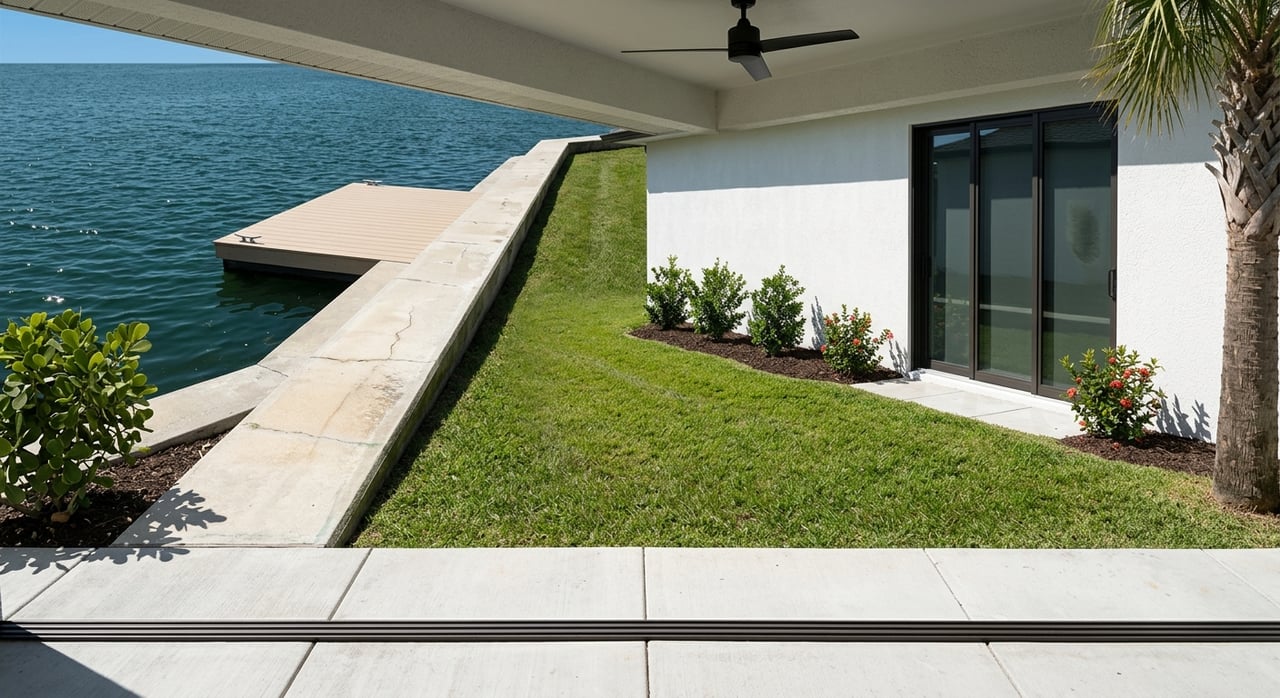
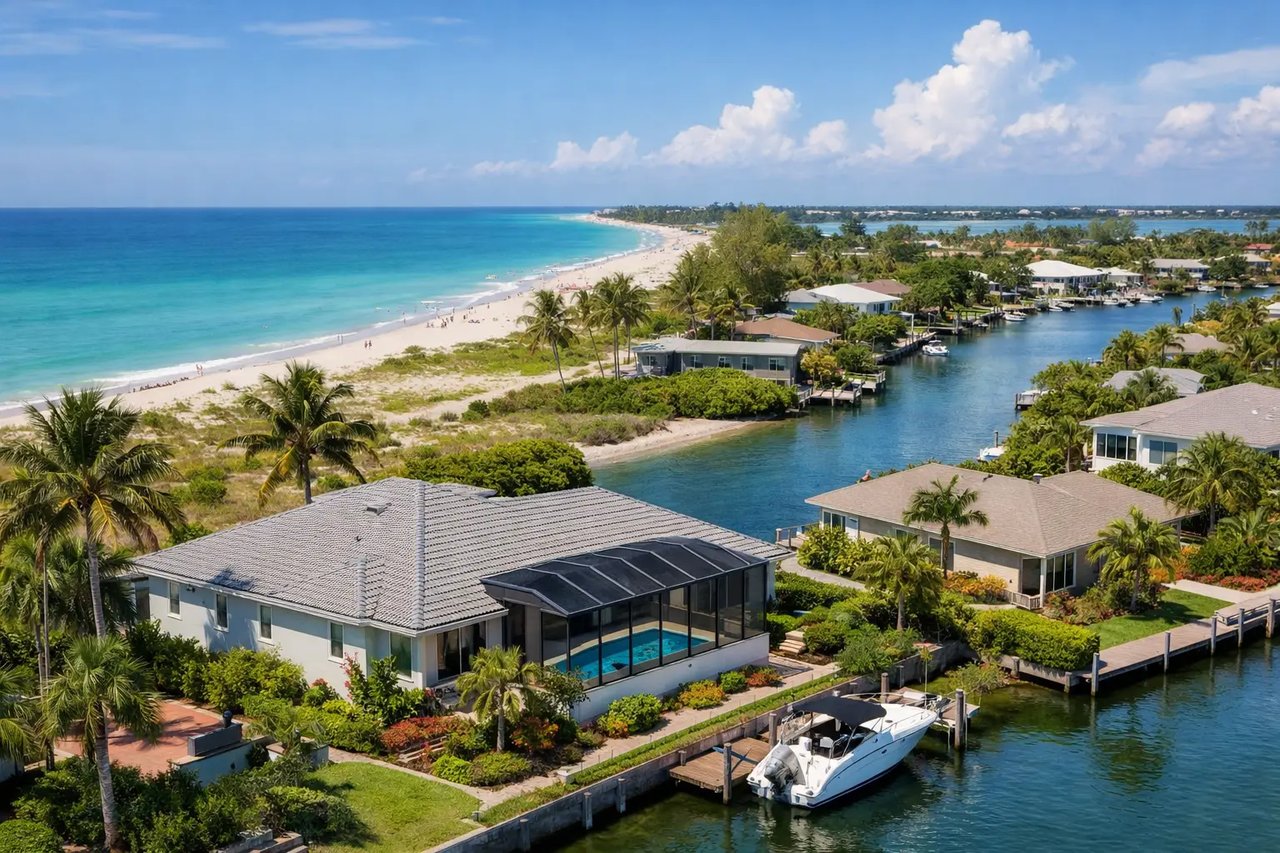
For many retirees, Punta Gorda’s canal neighborhoods are the main attraction. Punta Gorda Isles and Burnt Store Isles are especially well known for waterfront living, boating access, and views.
These neighborhoods are more than just scenic. They are part of canal maintenance assessment districts, which help fund dredging, seawalls, and mangrove trimming. Punta Gorda Isles includes 91 miles of seawall and 45 miles of canals and inlets, while Burnt Store Isles includes 18 miles of seawall and 9 miles of canals.
This matters for your budget. When you buy in one of these areas, you are not only paying for the home itself. You also need to account for recurring non-ad valorem assessments and any rules tied to waterfront living.
Lifestyle fit is just as important as cost. If you want quick dock access and boating convenience, these neighborhoods can be a great match. If you would rather avoid added assessments, watercraft parking rules, and the extra planning that often comes with waterfront ownership, another area may suit you better.
Inland and Lower-Maintenance Options
Not every retiree wants to spend waterfront-level dollars. One of Punta Gorda’s strengths is that it offers several price tiers within the broader market.
Public market snapshots from March 2026 show that Seminole Lakes had a median listing price around $349,000, while Burnt Store Meadows was around $428,950. In the same market snapshot, Punta Gorda Isles was around $550,000 and Burnt Store Isles was around $660,000.
Lower-cost submarkets in the broader Punta Gorda market included Tropical Gulf Acres at about $286,950 and South Punta Gorda Heights at about $289,900. That does not mean every listing will fall near those numbers, but it does show that retirees can compare more budget-friendly options without moving far from the Punta Gorda area.
Condos and Townhomes
If your goal is simpler day-to-day living, condos and some townhome communities deserve a close look. Under Florida condominium law, associations are responsible for common-element maintenance, and common expenses include the operation, maintenance, repair, replacement, or protection of those shared areas.
That setup can reduce the amount of exterior upkeep you handle yourself. For snowbirds and second-home buyers, that can be a major plus.
Still, lower maintenance does not always mean lower total cost. You should review monthly fees, reserve funding, special assessments, building insurance, and association rules before you buy. Florida HOA and condo laws require official records, budgets, and financial reporting, so this part of your research is essential.
What Retirement Budgets Look Like
Punta Gorda home values can look very different depending on the source and what is being measured. Realtor.com reported a citywide median listing price of $375,000, Zillow reported an average home value of $335,469 and a median sale price of $329,500, Redfin reported a median sale price of $522,450, and Census QuickFacts showed a median value of owner-occupied housing units at $518,100.
Those numbers are not directly interchangeable. Listing prices, sale prices, and owner-value estimates measure different parts of the market. The key takeaway is simple: your budget should be neighborhood-specific and property-specific, not based on one headline number.
Monthly carrying costs matter just as much as your purchase price. Census QuickFacts reports median selected monthly owner costs in Punta Gorda of $2,758 with a mortgage and $986 without a mortgage.
Those figures are helpful, but they are only a starting point. Your actual monthly cost may also include HOA or condo dues, canal district assessments, flood insurance, windstorm-related costs, and property taxes. If you are comparing a condo, an inland single-family home, and a canal-front property, those ongoing costs can vary more than you might expect.
Costs Buyers Often Overlook
Flood Exposure and Insurance
Flood risk is a major part of buying in Punta Gorda. Charlotte County notes that flooding can happen near the coast, along rivers, and inland. High-risk Special Flood Hazard Areas are generally A and V zones, where flood insurance is required for federally backed mortgages.
The county also points buyers to its Forerunner platform for flood-zone and base flood elevation lookups. That means you do not have to guess. You can verify the flood zone and elevation information early in the process.
This is especially important because recent storm history shows the stakes. Hurricane Milton in October 2024 produced storm surge levels of 5 to 8 feet, and more than 2,500 structures sustained major damage countywide.
FEMA states that flood insurance is separate from homeowners insurance, and homeowners insurance does not normally cover flood damage. Florida’s Chief Financial Officer also notes that homeowners with windstorm coverage may have a separate hurricane deductible. In practical terms, you should get insurance quotes early, not after you are already emotionally attached to a property.
HOA, Condo, and District Fees
Some of the most important costs are the ones buyers do not see at first glance. Waterfront neighborhoods may include canal maintenance assessments. Condo and townhome communities may include monthly dues, reserve requirements, and the possibility of special assessments.
These costs are not necessarily deal-breakers. In many cases, they support the lifestyle you want, whether that means maintained common areas or canal infrastructure. The important thing is to review them carefully so your budget reflects reality.
Parking and Everyday Use Rules
Neighborhood rules can shape your day-to-day experience. In Punta Gorda’s Historic District, overnight on-street parking is restricted on certain streets without a permit. In the Special Residential Overlay districts, including Punta Gorda Isles, Burnt Store Isles, and Burnt Store Meadows, the city regulates overnight watercraft parking.
That may not matter to every buyer, but it matters a lot if you plan to keep a boat or regularly host visiting family. Retirement is easier when your property supports how you actually plan to live.
How To Choose the Right Fit
The best Punta Gorda neighborhood for retirement depends on what you want most from this season of life. Start by deciding which tradeoffs you are comfortable making.
If walkability and downtown access matter most, the historic core may be your best fit. If boating is central to your lifestyle, canal-front communities may be worth the extra carrying costs and rules. If lower upkeep or a more moderate price point matters more, inland homes, condos, or townhomes may make more sense.
It also helps to think in layers:
- Lifestyle: Do you want boating, walkability, cycling access, or low-maintenance living?
- Budget: What purchase price and monthly carrying cost feel comfortable long term?
- Risk: Are you comfortable with the flood exposure and insurance profile of the property?
- Rules: Will parking, association, or watercraft regulations affect how you use the home?
- Residency plans: Will this be your primary home or a seasonal property?
If the home will be your permanent residence, Florida’s homestead exemption and Save Our Homes rules may reduce taxable value. But that benefit applies when the property is your permanent residence, so seasonal buyers should confirm eligibility rather than assume they qualify.
A Smart Retirement Buying Checklist
Before you buy in Punta Gorda, make sure you:
- Verify the property’s flood zone and base flood elevation
- Ask whether the lender will require flood insurance
- Get flood and homeowners insurance quotes early
- Review HOA or condo budgets, reserve funding, and meeting records when applicable
- Confirm whether the property includes canal district assessments
- Check neighborhood parking and watercraft rules if they affect your plans
- Clarify whether you may qualify for homestead benefits if this will be your primary residence
Retiring to Punta Gorda can be a great move, but the right home is about more than a beautiful view or a low list price. It is about choosing a neighborhood and property that fit your budget, comfort level, and day-to-day lifestyle. With the right local guidance, you can narrow your options faster and make a decision that feels good now and years from now.
If you are planning a move to Punta Gorda and want neighborhood-level insight with hands-on support, Emily Rivera Jackson can help you compare communities, understand the numbers, and find the right fit for your next chapter.
FAQs
What makes Punta Gorda appealing for retirees?
- Punta Gorda appeals to many retirees because it combines a waterfront setting, a compact downtown, Harborwalk, parks, boating access, and connected walking and biking routes in a city where 53.6% of residents are 65 or older.
What are the main neighborhood options for retirement in Punta Gorda?
- Retirees usually compare the historic downtown area for walkability and older homes, canal-front communities like Punta Gorda Isles and Burnt Store Isles for boating access, and inland or condo communities for lower-maintenance or more budget-conscious living.
What is a realistic home budget for Punta Gorda retirement buyers?
- Budgets vary widely by neighborhood, with public snapshots ranging from about $286,950 in some lower-cost submarkets to around $660,000 in Burnt Store Isles, so it is important to build your plan around the specific area and property type you want.
What extra costs should buyers expect in Punta Gorda?
- In addition to the purchase price, buyers may need to budget for flood insurance, hurricane deductibles, HOA or condo dues, canal district assessments, and other recurring costs tied to the property’s location and ownership structure.
What should buyers check before purchasing a waterfront home in Punta Gorda?
- Buyers should verify the flood zone, base flood elevation, insurance requirements, canal district assessments, and any local parking or watercraft rules that could affect how they use the property.
Can seasonal buyers qualify for Florida homestead benefits in Punta Gorda?
- Homestead benefits apply when the property is your permanent residence, so seasonal buyers should confirm eligibility before assuming those tax savings will apply.