If you are thinking about Punta Gorda, one question tends to come up fast: do you want a canal home, or do you want the Punta Gorda lifestyle without living directly on the water? It is a smart question because in this market, water access shapes daily life, ownership costs, and pricing in a real way. The good news is that both options can work beautifully depending on how you plan to live, boat, and budget. Let’s dive in.
Why this choice matters in Punta Gorda
Punta Gorda is not just a city near the water. The city describes it as a waterfront community with more than 50 miles of residential canals, along with access to Charlotte Harbor, the Peace River, the Myakka River, and the Gulf through Boca Grande Pass. That means the canal-front versus off-water decision is not just about scenery. It is about how close you want boating woven into your everyday routine.
You also do not have to live on a canal to enjoy the water. The city maintains public boating access through places like Laishley Park Municipal Marina and Ponce de Leon Park. For many buyers, that creates a real middle ground between full waterfront ownership and simple off-water living.
What canal-front living means locally
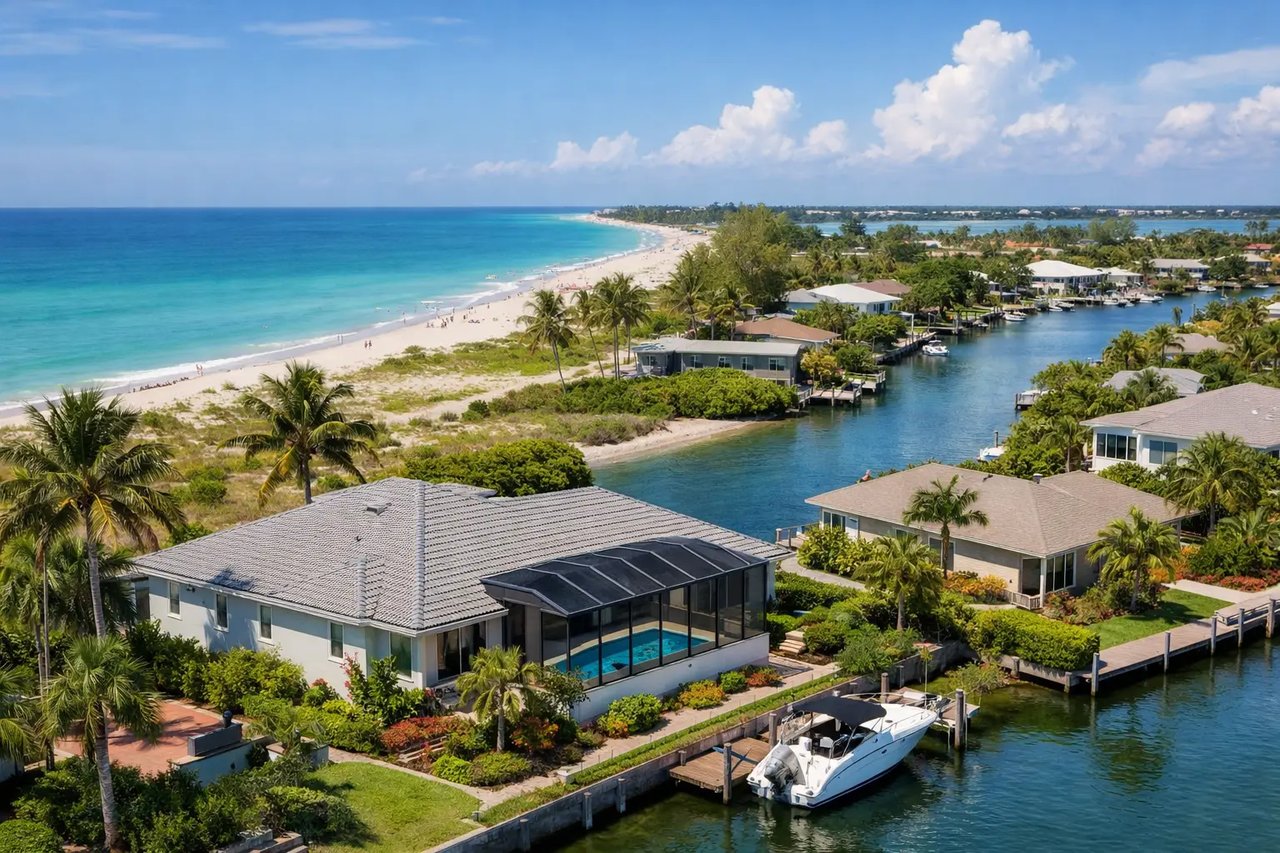
In Punta Gorda, canal-front living usually points buyers toward areas like Punta Gorda Isles and Burnt Store Isles. In much of Punta Gorda Isles, the city says the canals are deep and wide with no fixed bridges, which supports direct sailboat access from the backyard to the harbor. That is a major local advantage if boating is a big part of your lifestyle.
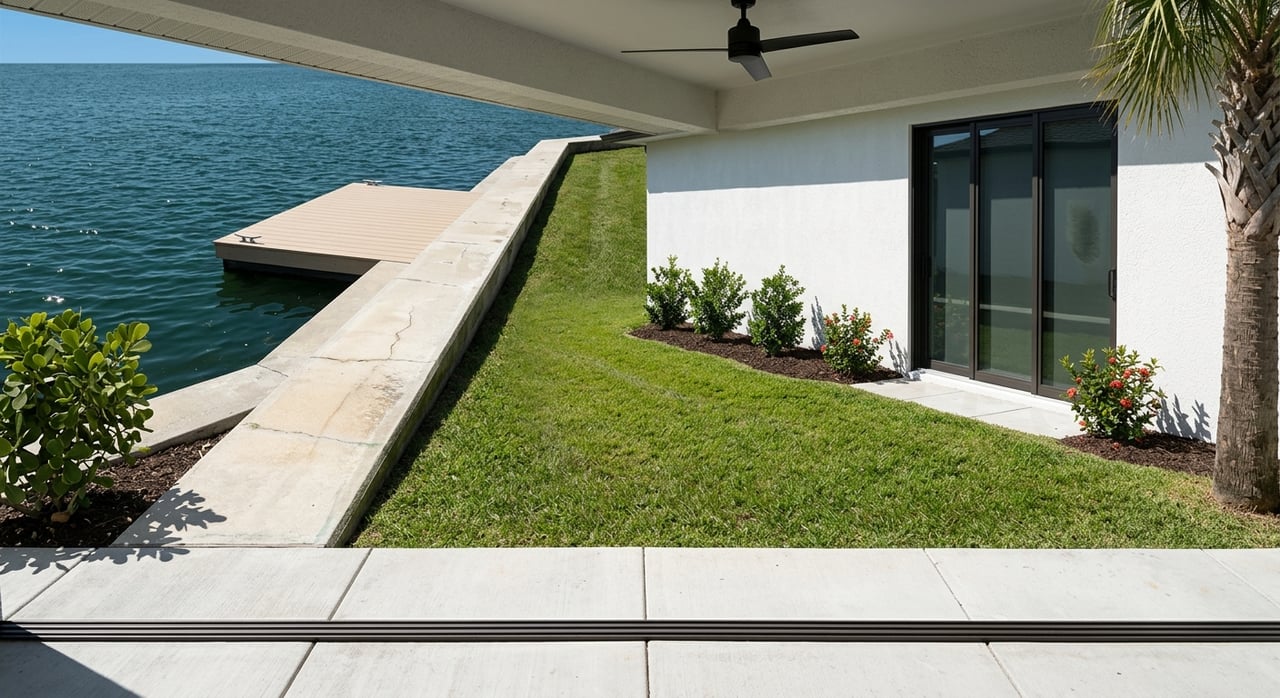
A canal-front home here often means more than a nice view. It can mean having your dock, boat lift, and water access right outside your door. If you picture stepping outside for a sunset cruise, a paddleboard session, or an easy day on Charlotte Harbor, this is the kind of convenience canal buyers are paying for.
What off-water living looks like
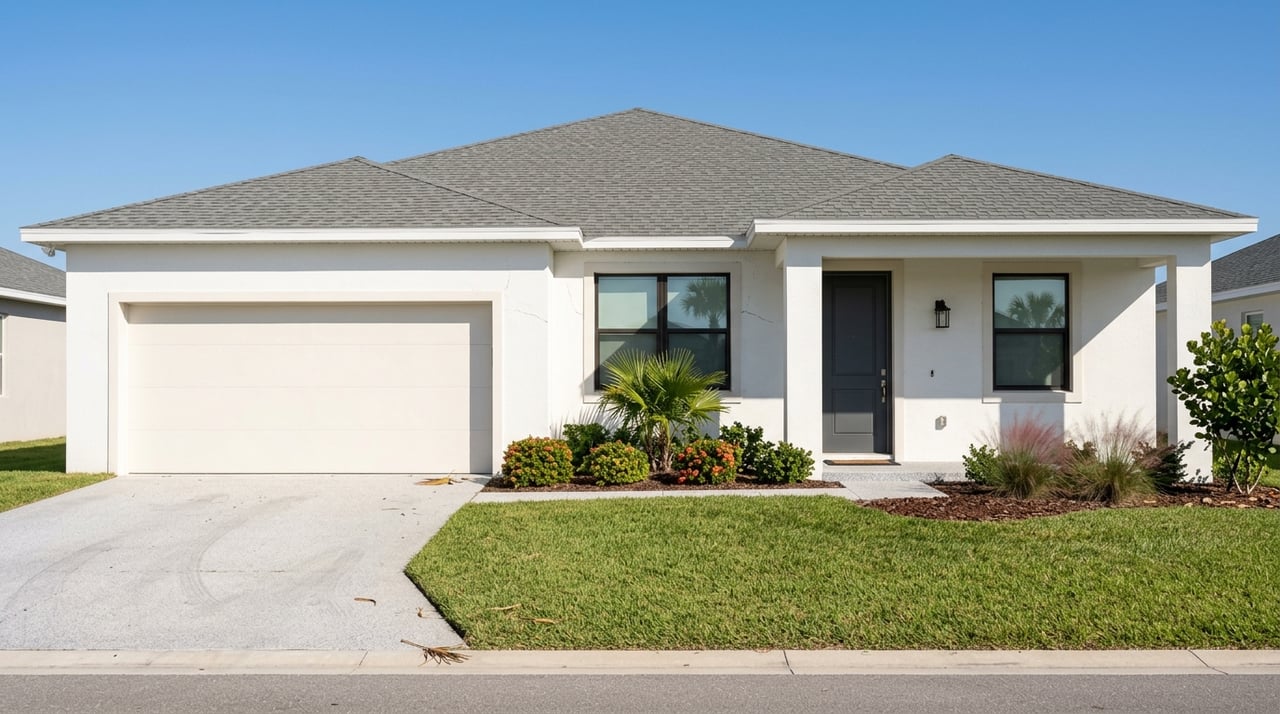
Off-water living in Punta Gorda does not mean giving up the area’s boating culture. It usually means choosing a home without direct canal access while still living in a city where the water remains easy to enjoy. You may launch from a public ramp, keep a boat at a marina, or simply enjoy the waterfront as recreation instead of a daily responsibility.
This option can open up more flexibility in your search. Instead of focusing on seawalls, bridge clearance, and dock setup, you can put more attention on floor plans, lot size, interior updates, commute needs, or newer construction. For many buyers, that tradeoff feels practical and freeing.
Canal-front pros to consider
If you love boating and expect to use it often, canal-front living can be hard to beat. The biggest benefit is convenience. You are not planning around a launch schedule or driving to a marina because the water is already part of your home.
Canal homes can also support a stronger day-to-day waterfront lifestyle. Kayaking, paddleboarding, fishing, and boat access all become simpler when your backyard connects to the canal system. In Punta Gorda, that ease is especially appealing because of the city-managed canal network and the no-fixed-bridge access found in much of Punta Gorda Isles.
Another point to keep in mind is long-term market appeal. The research shows canal-front and waterfront inventory in Punta Gorda generally commands a premium over the broader market. That does not guarantee future performance, but it does show how strongly buyers value direct water access here.
Off-water benefits many buyers prefer
Off-water homes often come with simpler ownership. If you do not need a private dock or backyard boat setup, you can avoid many of the water-specific decisions that come with canal properties. That can make ownership feel more straightforward.
This path can also create more price flexibility. The broader Punta Gorda market sits below many of the canal-front price points, and off-water neighborhoods can offer a wider range of entry points. Research examples show Deep Creek around a median listing price of $320K and Burnt Store Meadows around $440K, which helps illustrate the variety available when direct canal access is not required.
For some buyers, that extra flexibility matters more than immediate boating access. You may prefer to spend your budget on interior finishes, a larger home, or a newer property rather than on a canal lot premium.
The maintenance side of canal ownership
This is where the canal versus off-water decision becomes very practical. Canal-front homes come with a different ownership stack than homes away from the water. In Punta Gorda, the city says the canal system is divided into the Punta Gorda Isles and Burnt Store Isles canal maintenance districts, which fund dredging, seawall maintenance, and mangrove trimming through non-ad valorem assessments.
The city also says it oversees 45 miles of canals and inlets and 91 miles of seawalls in the district system. That tells you something important: waterfront living here is supported by real infrastructure, but that infrastructure also comes with ongoing management and costs.
If you are considering a canal home, ask detailed questions about the seawall, dock, boat lift, and any recent maintenance. You should also understand whether the property is affected by canal district assessments and what that means for your ownership costs.
Permits and regulations matter more on the water
Waterfront improvements are not casual projects in Punta Gorda. City code requires a permit before placing structures such as docks, piers, pilings, bulkheads, seawalls, or boat lifts in city waterways. If you are buying a canal property with plans to modify or add waterfront features, you will want a clear picture of what is allowed.
Mangrove trimming is also regulated. The city has rules intended to protect shoreline habitat, including requirements tied to licensed professional trimmers for taller mangroves. For buyers, the takeaway is simple: canal ownership can be very rewarding, but it also comes with more oversight than a typical off-water property.
Flood exposure deserves close attention
Flood risk is important anywhere in Punta Gorda, not just on canal lots. The city notes that low elevations and a high water table can lead to localized flooding during heavy summer rain, thunderstorms, tropical systems, and king tides. The city also states that homeowners insurance does not cover flood damage.
Charlotte County says flood insurance is mandatory in FEMA high-risk A and V zones for federally backed mortgages, and flooding can happen inland as well. That means canal-front buyers should be especially careful, but off-water buyers should not assume they are exempt from flood concerns.
As you compare homes, review the property’s flood zone, elevation-related considerations, insurance implications, and any history that may affect your comfort level. This is one of the most important parts of making a smart decision in Punta Gorda.
How prices compare right now
Current market snapshots vary by source, but the pattern is clear. Canal-front and waterfront properties are generally priced above the broader Punta Gorda market. Zillow reports an average Punta Gorda home value of $334,105, a median sale price of $330,333, and a median list price of $383,300 as of late May 2026.
Redfin’s broader rolling snapshot shows a median sale price of $449,518 and about 77 days on market. For waterfront homes in Punta Gorda, Redfin reports 829 homes for sale with a median listing price of $475K. In Punta Gorda Isles specifically, Redfin reports a May 2026 median sale price of $539,768 with 95 days on market, while Realtor.com shows a median listing price of $550K and homes selling about 4.54% below asking on average in March 2026.
The big picture is that canal-front homes usually come with a premium, but buyers may still find room to negotiate depending on the property and market moment. Off-water homes can widen your options, especially if your priority is value, flexibility, or a lower-maintenance setup.
Which option fits your lifestyle best
A canal home may be the better fit if you:
- Plan to boat often
- Want direct backyard water access
- Value dock and lift convenience
- Are comfortable with added maintenance and regulation
- Are prepared for a higher purchase price and ownership complexity
An off-water home may be the better fit if you:
- Expect boating to be occasional rather than daily
- Want access to public ramps or marina options
- Prefer a simpler maintenance profile
- Want more flexibility with budget and home features
- Care more about house style, size, or updates than direct canal access
The real decision: convenience or flexibility
In Punta Gorda, canal homes buy you convenience and a stronger connection to the city’s boating culture. Off-water homes buy you flexibility, fewer waterfront-specific responsibilities, and often more room in your budget. Neither choice is automatically better. The right answer depends on how you actually want to use the home.
If boating is central to your routine, the canal premium may feel completely worth it. If you love Punta Gorda but want to keep ownership simpler, off-water living can still give you access to the same community and much of the same lifestyle.
If you want help comparing canal-front and off-water options in Punta Gorda, Emily Rivera Jackson offers hands-on guidance, local market insight, and personalized support to help you find the right fit for your goals.
FAQs
What is the difference between canal-front and off-water living in Punta Gorda?
- Canal-front living gives you direct backyard access to Punta Gorda’s canal system, while off-water living gives you access to the same boating region through public ramps and marina options without living directly on the water.
Are Punta Gorda canal homes more expensive than off-water homes?
- In general, yes. Research shows waterfront and Punta Gorda Isles homes are priced above many broader Punta Gorda and off-water market segments, though exact pricing varies by neighborhood, home condition, and location.
Do off-water Punta Gorda residents still have boating access?
- Yes. The city provides public boating access, including Laishley Park Municipal Marina and Ponce de Leon Park, so you can still enjoy Charlotte Harbor and connected waterways without owning a canal lot.
What extra maintenance comes with a Punta Gorda canal home?
- Canal homes may involve seawall, dock, lift, and shoreline upkeep, and certain areas are part of canal maintenance districts that fund dredging, seawall maintenance, and mangrove trimming through non-ad valorem assessments.
Do Punta Gorda canal homes require permits for docks and boat lifts?
- Yes. The city requires permits for structures placed in city waterways, including docks, piers, pilings, bulkheads, seawalls, and boat lifts.
Is flood insurance important for off-water homes in Punta Gorda too?
- Yes. Charlotte County says flooding can occur inland, and flood insurance is mandatory in high-risk FEMA A and V zones for federally backed mortgages.