If you are thinking about buying a rental house in Punta Gorda, the numbers deserve a closer look. This is not a market where you can assume strong rent growth or easy cash flow just because it is in Southwest Florida. If you understand local pricing, flood exposure, seasonality, and neighborhood rules, you can make smarter decisions and avoid expensive surprises. Let’s dive in.
Why Punta Gorda attracts investors
Punta Gorda has a distinct housing profile that sets it apart from many Florida markets. The city’s 2024 population estimate is 20,416, and 83.1% of housing units are owner-occupied. It is also an older market, with 53.5% of residents age 65 and over.
That matters when you evaluate rental demand. The city’s demographics suggest that likely renter demand may come more from retirees, downsizers, seasonal residents, and people looking for lower-maintenance living rather than large households. With an average household size of 1.97 people, investor demand may line up better with practical, easy-to-manage homes than oversized properties.
Punta Gorda price and rent baseline
Current pricing and rent snapshots give you a useful starting point. Zillow reports a typical home value of $335,469 in Punta Gorda and an average rent of $2,500. Trulia’s house-focused rent data shows an average around $2,400, with about $2,000 for 2-bedroom houses, $2,500 for 3-bedroom houses, and $2,533 for 4-bedroom houses.
Realtor.com reports a median list price of $375,000 and a median rent of about $2,300. Based on those snapshots, a rough gross price-to-rent screen lands around 11x to 14x annual rent. That works out to a gross yield of roughly 7% to 9% before taxes, insurance, vacancy, maintenance, HOA costs, and any special assessments.
That headline number can look decent at first glance. The challenge is that gross yield is only the beginning in Punta Gorda, especially if the property has waterfront exposure, district charges, or higher insurance costs. In this market, your margin for error can shrink quickly.
Do not assume automatic rent growth
One of the most important details in the current data is that Zillow’s rental-manager snapshot shows average rent down $400 year over year. That does not mean every property is losing pricing power. It does mean you should underwrite conservatively.
If you buy based on the idea that rents will naturally climb, you may be disappointed. A better approach is to base your projections on what similar homes are actually achieving now, then stress-test the deal for flat rent or modest vacancy. Conservative assumptions matter more in a slower, older, mostly owner-occupied market.
Punta Gorda is not a fast-moving market
If your plan includes resale flexibility, timing matters. Zillow says homes go pending in around 74 days, Realtor.com reports a median 81 days on market, and Redfin says homes sell in around 95 days and the market is not very competitive.
For buy-and-hold investors, that slower pace can create negotiation opportunities on the purchase side. For flippers or investors who may need to exit quickly, it also suggests a longer hold period than hotter Florida submarkets. You should budget for more time, not less.
Best renter profiles for single-family rentals
Punta Gorda is not a one-size-fits-all rental market. Because of the city’s age mix, high owner-occupancy rate, and smaller household size, the strongest fit for many single-family rentals may be:
- Retirees
- Downsizers
- Seasonal residents
- Second-home households needing flexibility
- Renters who want a simple, low-maintenance layout
That does not mean larger homes cannot perform. It means product-market fit matters. A clean, well-located home with manageable upkeep may attract more consistent demand than a property that looks impressive on paper but has higher carrying costs and a narrower renter pool.
Seasonality can shape demand
Charlotte County’s seasonal population patterns are a major factor. County materials state that seasonal residents and tourists flock to Southwest Florida from November through April, with the heaviest period from January through March. The county also notes that more than 16,000 seasonal residents visit throughout the year.
This pattern can influence showing activity, leasing timing, and exit strategy. If you own in Punta Gorda, it helps to think in seasonal cycles instead of assuming demand stays the same all year. A vacancy in peak season and a vacancy in late summer may have very different outcomes.
Neighborhood selection matters more than city averages
Citywide averages are helpful, but they are not enough to pick the right investment. In Punta Gorda, neighborhood identity, overlay rules, waterfront location, and maintenance obligations can all change the real economics of a property.
That is why neighborhood-specific comps are so important. Two homes with similar square footage can perform very differently if one sits in a standard inland subdivision and the other is affected by historic guidelines, waterfront oversight, or canal-related costs.
Historic districts can add value and complexity
Punta Gorda’s historic core is part of the city’s appeal. West of downtown, the city identifies about 22 blocks with 125 contributing residential structures dating from roughly 1884 to 1930. East of downtown, it identifies another 23 blocks tied to early African American settlement and historic sites.
City code says the historic overlay exists in part to stabilize and enhance property values in historic districts and landmarks. For investors, that can support long-term appeal and resale story. It can also mean you need to look more carefully at renovation scope, approvals, and the true cost of maintaining an older property.
Waterfront properties need extra scrutiny
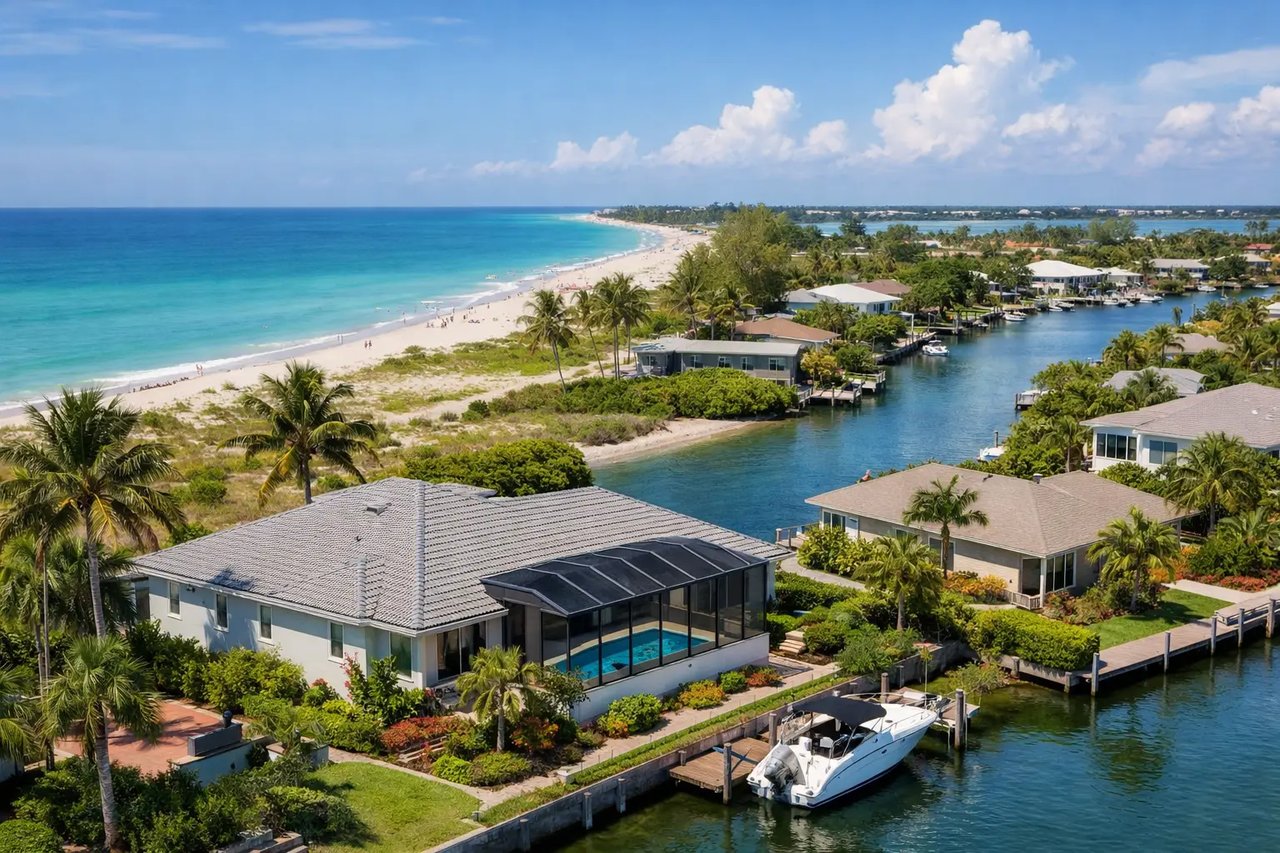
Waterfront homes often attract attention first, but you should not underwrite them like a typical inland rental. Punta Gorda’s Waterfront Overlay District is designed to preserve the waterfront for maritime uses, public access, environmental protection, and traditional water-dependent economic activities.
That planning framework can support long-term appeal, but it can also bring more design and use scrutiny. If you are considering a canal or waterfront property, review the rules and recurring costs before you assume the premium rent will solve everything.
Some areas have tighter residential rules
The city’s Special Residential Overlay District includes Punta Gorda Isles, Burnt Store Isles, and Burnt Store Meadows. City code notes tighter parking controls in these areas.
For a long-term rental, those details may affect tenant convenience and property use. For any strategy that could later shift to a different use model, understanding the local rules up front is essential.
Canal and seawall costs can change the deal
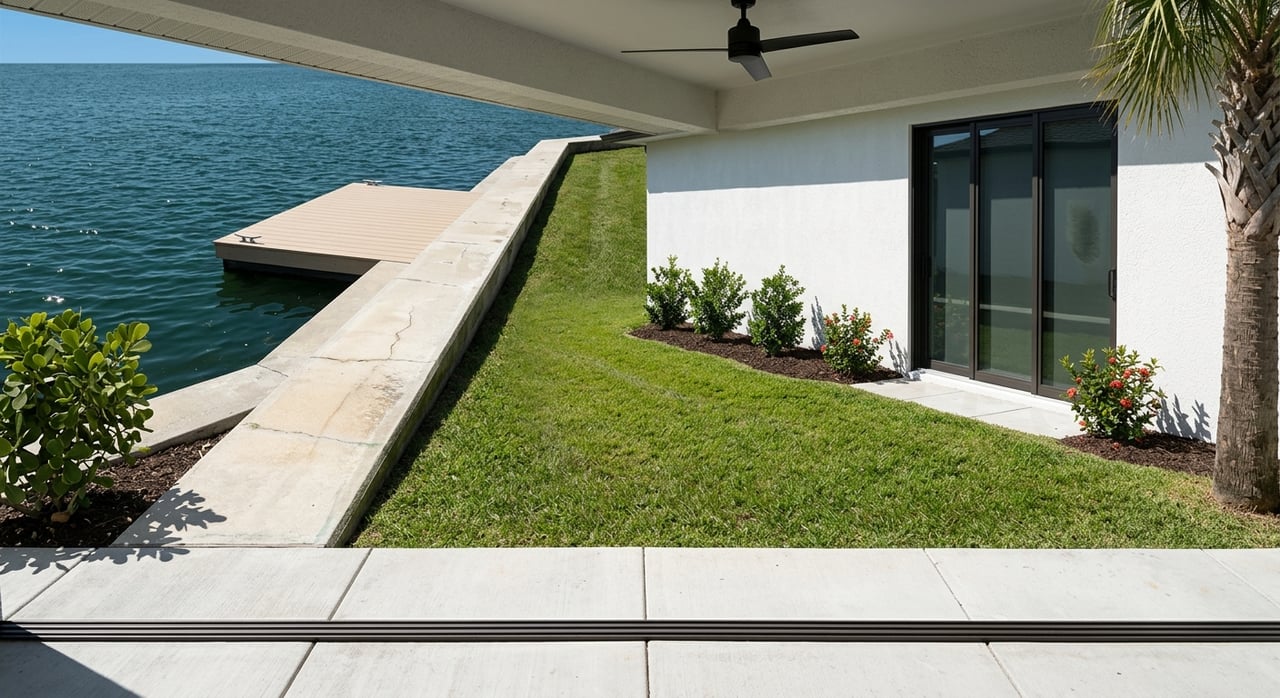
Waterfront ownership in Punta Gorda can come with recurring infrastructure costs. The city says its canal system includes 45 miles of canals and inlets and 91 miles of seawalls funded through canal maintenance district assessments. Burnt Store Isles alone is responsible for 18 miles of seawall and 9 miles of canals.
These are not small details. A property that looks attractive based on purchase price and expected rent may look very different once you factor in district assessments and long-term maintenance exposure. This is one reason broad city averages can be misleading.
Flood risk should be central to your underwriting
Flood risk is one of the biggest issues for Punta Gorda investors. Charlotte County describes the area as a low-lying region exposed to hurricanes, storm surge, king tides, rainfall flooding, and sea-level rise. The county also notes that high-risk A and V zones require flood insurance for federally backed mortgages.
Just as important, the county says 25% of flood claims come from moderate- to low-risk areas. Recent county flood history includes Ian, Helene, and Milton. In practical terms, you should treat flood exposure, insurance cost, and storm resilience as core underwriting items, not afterthoughts.
How to underwrite a Punta Gorda rental
If you are evaluating a single-family rental here, keep your numbers simple and disciplined. Separate the deal into four buckets:
- Purchase price
- Achievable rent based on nearby comps
- Flood and insurance cost
- Recurring HOA, district, or special assessment charges
This framework helps you avoid overpaying based on a property’s appearance or location alone. In Punta Gorda, a deal usually works best when you buy right, verify expenses carefully, and stay realistic about rent growth.
What makes a stronger long-term hold
The best hold opportunities in Punta Gorda are often the homes with a clear neighborhood identity, solid maintenance history, and fewer hidden cost surprises. Renovated properties can also have an advantage, especially when the updates reduce near-term repair needs and improve tenant appeal.
You should also think about ease of ownership. A home with simpler upkeep, manageable exposure to flooding, and straightforward local rules may produce a more stable experience than a more glamorous property with layered costs and restrictions.
Keep your exit strategy flexible
Even if you buy as a long-term hold, it helps to know your backup plan. Slower market times mean you may not want to rely on a quick resale. If you ever consider a shift toward vacation-rental use, Punta Gorda requires a Business Tax Receipt, a valid Florida public lodging establishment license, and a city inspection for zoning, building, and fire-code compliance before a dwelling unit can operate as a vacation rental.
That does not make short-term rental impossible. It simply means you should treat it as a regulated use with specific local requirements, not as an automatic fallback.
Final thoughts on Punta Gorda rentals
Punta Gorda can make sense for single-family rental investors, but it is a market that rewards discipline more than optimism. Price-to-rent ratios may look workable at first glance, yet insurance, flood exposure, seawall or canal assessments, and seasonal demand patterns can quickly reshape the true return.
If you focus on neighborhood-level comps, conservative rent assumptions, and the full cost of ownership, you will be in a much stronger position to spot the right opportunity. And if you want local guidance on which Punta Gorda micro-markets may fit your goals, Emily Rivera Jackson can help you evaluate the numbers with a practical, hands-on approach.
FAQs
What are average rents for single-family rentals in Punta Gorda?
- Current snapshots show average rents around $2,400 to $2,500, with about $2,000 for 2-bedroom houses, $2,500 for 3-bedroom houses, and $2,533 for 4-bedroom houses.
Is Punta Gorda a good market for buy-and-hold rental investing?
- It can be, but the deal usually needs to be bought carefully because gross yields must still cover insurance, flood risk, maintenance, vacancy, and any HOA or district charges.
How fast do homes sell in Punta Gorda?
- Current reports suggest a slower market, with homes going pending in about 74 days and total market time often ranging from around 81 to 95 days.
What renter types are most likely in Punta Gorda?
- Based on local demographics and housing patterns, likely renter demand may come from retirees, downsizers, seasonal residents, and households seeking lower-maintenance homes.
Do waterfront rentals in Punta Gorda have extra costs?
- Yes. Depending on the location, waterfront properties may have added scrutiny, flood exposure, and recurring canal or seawall-related district assessments.
What should investors check before buying a Punta Gorda rental home?
- Review neighborhood-specific rent comps, flood exposure, insurance cost, HOA or district fees, overlay rules, and the property’s maintenance history before making an offer.